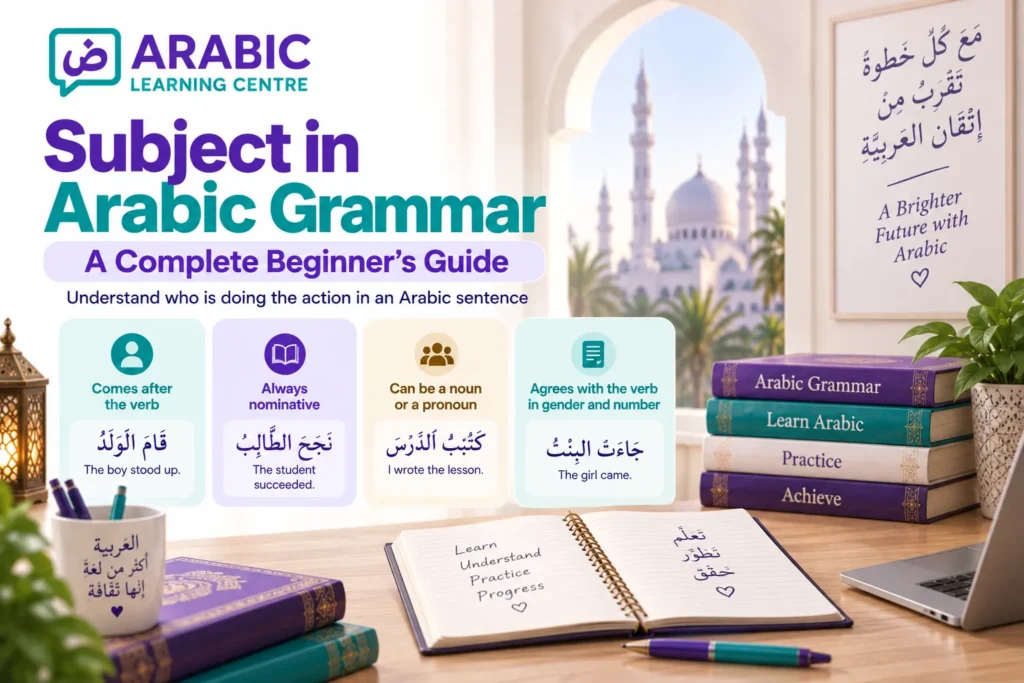
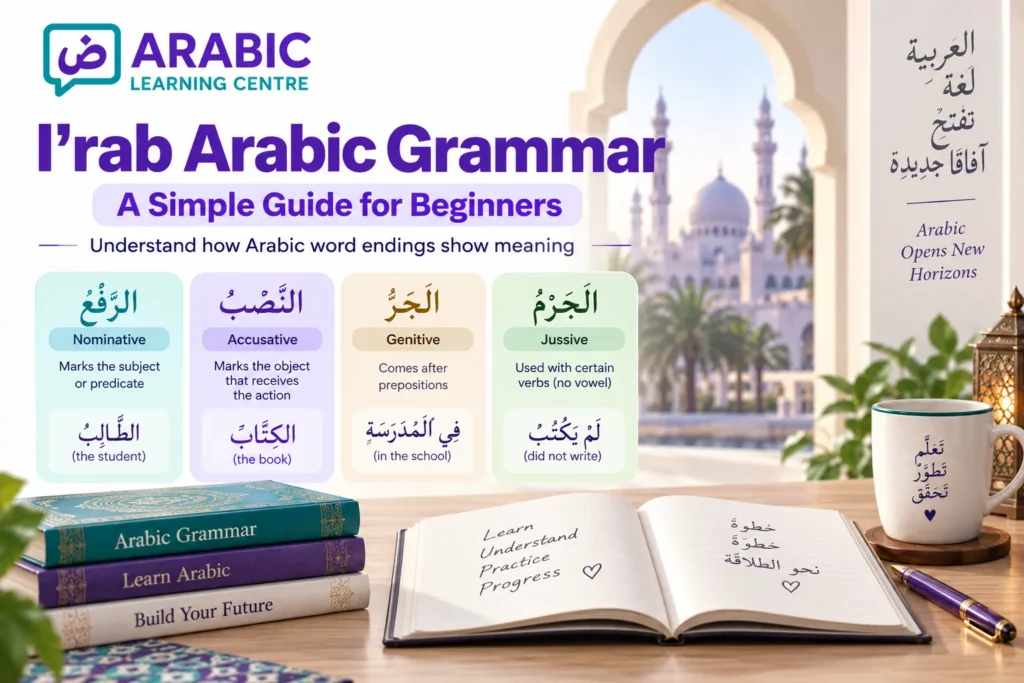
 Arabic Grammar
Arabic becomes much easier when you start with real phrases people use every day. Instead of memorizing random words, learning common sentences helps you greet people, thank them, say goodbye, ask simple questions, and sound more natural in daily conversations.
In this guide, you will learn Ten Most Used Sentences in Arabic, including important expressions such as thank you in arabic, hello in arabic language, goodbye in arabic language, and other useful phrases for travel, friendship, family, and everyday communication.
Why Learn Common Arabic Sentences First?
Learning common Arabic sentences gives beginners quick confidence. You do not need to understand every grammar rule before you start speaking. Simple expressions can help you communicate politely, understand basic replies, and connect with Arabic speakers in a respectful way.
Arabic is used in many countries, and pronunciation can change slightly from one dialect to another. However, the phrases in this article are widely understood, especially in Modern Standard Arabic and many daily Arabic-speaking situations.
1. Hello In Arabic Language – مرحبًا
Arabic: مرحبًا
Pronunciation: Marhaban
Meaning: Hello
The phrase hello in arabic language is usually translated as مرحبًا – Marhaban. It is polite, simple, and suitable for most situations. You can use it when meeting someone for the first time, entering a shop, starting a conversation, or greeting a teacher.
Another very common Arabic greeting is:
Arabic: السلام عليكم
Pronunciation: As-salamu alaykum
Meaning: Peace be upon you
The response is:
Arabic: وعليكم السلام
Pronunciation: Wa alaykum as-salam
Meaning: And peace be upon you too
This is one of the most respected forms of Greeting in arabic language, especially in formal, religious, and traditional settings.
2. How Are You?
Arabic: كيف حالك؟
Pronunciation: Kayfa haluka? / Kayfa haluki?
Meaning: How are you?
This is one of the most useful questions in Arabic. Use Kayfa haluka? when speaking to a male, and Kayfa haluki? when speaking to a female.
A simple answer is:
Arabic: أنا بخير
Pronunciation: Ana bikhayr
Meaning: I am fine
This sentence is important because Arabic conversations often begin with greetings and polite questions. Even if the conversation is short, asking “how are you?” shows respect and friendliness.
3. Thank You In Arabic
Arabic: شكرًا
Pronunciation: Shukran
Meaning: Thank you
One of the first expressions every learner should know is thank you in arabic. The word شكرًا – Shukran is short, easy, and very useful in almost every situation.
You can say it when someone helps you, gives you directions, serves food, answers a question, or offers kindness.
The common response is:
Arabic: عفوًا
Pronunciation: Afwan
Meaning: You’re welcome
Another polite response is:
Arabic: لا شكر على واجب
Pronunciation: La shukra ala wajib
Meaning: No thanks are needed; it is my duty
Learning thank you in arabic helps you sound polite from your first Arabic conversation.
4. Please In Arabic
Arabic: من فضلك
Pronunciation: Min fadlik
Meaning: Please
The phrase من فضلك – Min fadlik is used when asking for something politely. It is especially useful in restaurants, shops, classrooms, airports, and daily conversation.
Example:
Arabic: أريد ماءً من فضلك
Pronunciation: Ureedu ma’an min fadlik
Meaning: I want water, please
You may also hear:
Arabic: لو سمحت
Pronunciation: Law samaht
Meaning: Please / Excuse me
Both phrases are common and polite. من فضلك is slightly more standard, while لو سمحت is very common in daily speech.
Start Speaking Arabic With Confidence
Want to move from memorizing Arabic phrases to actually using them in real conversations? The Arabic Speaking Course at The Arabic Learning Centre helps learners practice everyday expressions like greetings, thank you, goodbye, introductions, and simple questions through guided speaking sessions. With focused pronunciation practice, natural sentence flow, and structured Arabic conversation training, students can build the confidence to speak clearly in social, travel, family, and professional situations.
The course is designed to help learners turn common Arabic sentences into active speaking skills. Instead of only reading phrases, students learn how to pronounce them correctly, respond naturally, and use them in real-life conversations with confidence.
Start your Arabic speaking journey today with The Arabic Learning Centre and learn how to speak Arabic naturally, clearly, and confidently.
5. Goodbye In Arabic Language
Arabic: مع السلامة
Pronunciation: Ma’a as-salama
Meaning: Goodbye / Go with peace
The phrase goodbye in arabic language is commonly expressed as مع السلامة – Ma’a as-salama. It is warm, polite, and widely understood.
Another common goodbye is:
Arabic: إلى اللقاء
Pronunciation: Ila al-liqa’
Meaning: See you later / Until we meet again
Use مع السلامة in everyday situations and إلى اللقاء when you want a slightly more formal tone.
Learning goodbye in arabic language is important because Arabic speakers often value polite openings and polite endings in conversation.
Shots Videos from Our Courses
6. What Is Your Name?
Arabic: ما اسمك؟
Pronunciation: Ma ismuka? / Ma ismuki?
Meaning: What is your name?
This is a useful beginner sentence for introductions. Use Ma ismuka? for a male and Ma ismuki? for a female.
To answer, say:
Arabic: اسمي أحمد
Pronunciation: Ismi Ahmad
Meaning: My name is Ahmad
Or:
Arabic: اسمي فاطمة
Pronunciation: Ismi Fatimah
Meaning: My name is Fatimah
This phrase is useful in classrooms, travel, online lessons, and friendly meetings.
7. I Do Not Speak Arabic
Arabic: أنا لا أتكلم العربية
Pronunciation: Ana la atakallamu al-arabiyyah
Meaning: I do not speak Arabic
This sentence is very helpful for beginners and travelers. It allows you to explain your level clearly and politely.
You can also say:
Arabic: أتكلم العربية قليلًا
Pronunciation: Atakallamu al-arabiyyah qaleelan
Meaning: I speak a little Arabic
This is a great phrase because it shows effort. Many Arabic speakers appreciate when learners try to use even simple Arabic words.
8. Habibi Meaning In Arabic
Arabic: حبيبي
Pronunciation: Habibi
Meaning: My beloved / My dear / My love
Many learners search for habibi meaning in arabic because the word appears in songs, movies, social media, and daily speech. The word حبيبي – Habibi literally means “my beloved” when speaking to a male.
For a female, the form is:
Arabic: حبيبتي
Pronunciation: Habibti
Meaning: My beloved / my dear
In many Arabic-speaking cultures, Habibi is not only romantic. It can also be used warmly between friends, family members, parents and children, or even in friendly customer service situations.
So, habibi meaning in arabic depends on context. It can mean “my love,” “dear,” “buddy,” or “my friend.”
9. Haram Meaning In Arabic
Arabic: حرام
Pronunciation: Haram
Meaning: Forbidden / not allowed
Many people search for haram meaning in arabic because the word is used in religious, cultural, and everyday contexts. In Islamic usage, حرام – Haram means something forbidden or prohibited.
For example, people may use it to describe an action that is religiously not allowed.
However, in some daily conversations, especially in dialects, haram can also express sympathy, similar to “poor thing” or “that’s sad,” depending on tone and context.
So, haram meaning in arabic can be understood in two main ways: religiously forbidden, or emotionally used to show pity in casual speech.
10. Happy Birthday In Arabic Language
Arabic: عيد ميلاد سعيد
Pronunciation: Eid milad sa’eed
Meaning: Happy birthday
The phrase happy birthday in arabic language is عيد ميلاد سعيد – Eid milad sa’eed. It is used in cards, messages, social media posts, and birthday celebrations.
You can also say:
Arabic: كل عام وأنت بخير
Pronunciation: Kul aam wa anta bikhayr / wa anti bikhayr
Meaning: May you be well every year
This phrase is warmer and more traditional. It can be used for birthdays, Eid, Ramadan, and other happy occasions.
Learning happy birthday in arabic language is useful because it helps you write kind messages to Arabic-speaking friends, classmates, or family members.
Build Stronger Arabic Sentences With Arabic Grammar Course
To use common Arabic sentences correctly, learners also need to understand how Arabic grammar works. The Arabic Grammar Course at The Arabic Learning Centre helps students move beyond memorized phrases by learning sentence structure, word order, verb forms, noun patterns, and case endings in a clear, structured way.
This gives learners the foundation to form accurate Arabic sentences, understand meanings more deeply, and communicate with better confidence in reading, writing, and speaking.
Start learning Arabic grammar today with The Arabic Learning Centre and turn common Arabic phrases into clear, accurate sentences.
Mom In Arabic Language
The phrase mom in arabic language can be expressed in different ways.
Arabic: أمي
Pronunciation: Ummi
Meaning: My mother / my mom
Arabic: ماما
Pronunciation: Mama
Meaning: Mom / mommy
The word أم – Umm means mother, while أمي – Ummi means my mother. In daily speech, many Arabic speakers also use ماما – Mama, especially children and families.
So, mom in arabic language can be أمي in standard Arabic and ماما in casual family speech.
Gorgeous In Arabic Language
The word gorgeous in arabic language can be translated in several ways depending on whether you are speaking to a male, female, or describing an object.
Arabic: جميل
Pronunciation: Jameel
Meaning: Beautiful / handsome
Arabic: جميلة
Pronunciation: Jameelah
Meaning: Beautiful / gorgeous
If you want to say “You are gorgeous” to a female:
Arabic: أنتِ جميلة
Pronunciation: Anti jameelah
Meaning: You are gorgeous
To a male:
Arabic: أنت جميل
Pronunciation: Anta jameel
Meaning: You are handsome / beautiful
The phrase gorgeous in arabic language is often connected with جميل and جميلة, both widely understood and easy to use.
Greeting In Arabic Language For Different Times
A strong Greeting in arabic language changes depending on the time of day and the level of formality.
Good morning:
Arabic: صباح الخير
Pronunciation: Sabah al-khayr
Response:
Arabic: صباح النور
Pronunciation: Sabah an-noor
Good evening:
Arabic: مساء الخير
Pronunciation: Masa’ al-khayr
Response:
Arabic: مساء النور
Pronunciation: Masa’ an-noor
These expressions are polite and common in Arabic-speaking countries. They are suitable for teachers, colleagues, neighbors, shopkeepers, and formal meetings.
Useful Arabic Travel Sentences
Arabic travel phrases can help you in airports, hotels, restaurants, and streets. Even if you only know a few sentences, they can make your trip easier.
How much does this cost?
Arabic: كم يكلف هذا؟
Pronunciation: Kam yukallif hatha?
I want a ticket to Cairo, please.
Arabic: أريد تذكرة إلى القاهرة من فضلك
Pronunciation: Ureedu tadhkirah ila al-Qahirah min fadlik
These phrases are useful for beginners because they solve real communication problems.
Arabic Love And Friendly Expressions
Arabic has many warm expressions used for love, friendship, and kindness. Some are romantic, while others are friendly or family-based.
I love you:
Arabic: أحبك
Pronunciation: Uhibbuka / Uhibbuki
I miss you:
Arabic: أفتقدك
Pronunciation: Aftaqiduka / Aftaqiduki
My dear:
Arabic: عزيزي / عزيزتي
Pronunciation: Azeezi / Azeezati
Words like Habibi and Habibti are among the most famous Arabic expressions because they feel warm, emotional, and natural.
Formal Vs Informal Arabic Sentences
Arabic has formal and informal forms. Formal Arabic is usually used in writing, news, education, and official communication. Informal Arabic appears in daily speech and differs by country.
For example:
Formal hello: مرحبًا – Marhaban
Common Islamic greeting: السلام عليكم – As-salamu alaykum
Casual hello: أهلًا – Ahlan
All three can mean “hello,” but the best choice depends on context. Beginners can safely use Marhaban, Ahlan, and As-salamu alaykum in most situations.
Read Also: Arabic Past Tense With Examples
Quick Chart Of Common Arabic Sentences
| English | Arabic | Pronunciation |
| Hello | مرحبًا | Marhaban |
| Peace be upon you | السلام عليكم | As-salamu alaykum |
| How are you? | كيف حالك؟ | Kayfa haluka? |
| I am fine | أنا بخير | Ana bikhayr |
| Thank you | شكرًا | Shukran |
| Please | من فضلك | Min fadlik |
| Goodbye | مع السلامة | Ma’a as-salama |
| What is your name? | ما اسمك؟ | Ma ismuka? |
| My name is… | اسمي… | Ismi… |
| I do not speak Arabic | أنا لا أتكلم العربية | Ana la atakallamu al-arabiyyah |
Our Students Reviews
Read Also: Masculine And Feminine Nouns In Arabic
Learn Arabic Sentences With The Arabic Learning Centre
If you want to move beyond memorizing phrases and start using Arabic with confidence, The Arabic Learning Centre offers structured online Arabic courses for learners who want clear guidance, practical vocabulary, and strong foundations in reading, pronunciation, grammar, and communication. Instead of learning isolated words only, students can build complete Arabic skills through guided lessons that support real conversation and accurate understanding.
Whether you are learning Arabic for travel, family, Quranic understanding, study, or professional goals, The Arabic Learning Centre helps learners progress step by step from basic expressions like thank you in arabic and hello in arabic language to stronger sentence building and confident communication.
Start your Arabic learning journey with The Arabic Learning Centre today and turn simple phrases into confident real conversations.
Courses We Offer:
- Business Arabic Course
- Learn Arabic from Zero
- Medical Arabic Course
- Learning Arabic for Non Arabic Speakers
- Learn Arabic in Saudi Arabia
Conclusion
Learning the Ten Most Used Sentences in Arabic is one of the best ways to start speaking Arabic quickly. Simple expressions like Marhaban, Shukran, Ma’a as-salama, and Kayfa haluka? can help you greet people, show respect, ask questions, and build friendly conversations.
As you continue learning, you will understand deeper expressions such as habibi meaning in arabic, haram meaning in arabic, mom in arabic language, happy birthday in arabic language, and gorgeous in arabic language. Start with the phrases you need most, repeat them often, and use them in real conversations whenever possible.
Read Also: Does Arabic Have Grammatical Gender?
Frequently Asked Questions
What Is The Most Common Hello In Arabic Language?
The most common hello in arabic language is “مرحبا (Marhaban)” for general use, while “السلام عليكم (As-salamu alaykum)” is more formal and widely used in many Arabic-speaking cultures.
How Do You Say Thank You In Arabic?
You say thank you in arabic as “شكرًا (Shukran)”. It is simple, polite, and used in all situations, whether formal or informal.
What Is Habibi Meaning In Arabic?
The phrase habibi meaning in arabic refers to “my love” or “my dear.” It can be used romantically, but also between friends, family members, and even casually in daily conversations.
What Does Haram Meaning In Arabic Refer To?
The term haram meaning in arabic means “forbidden” or “not allowed,” especially in a religious context. In casual speech, it can sometimes express sympathy depending on the situation.
How Do You Say Goodbye In Arabic Language?
The most common way to say goodbye in arabic language is “مع السلامة (Ma’a as-salama),” which means “go with peace.” Another option is “إلى اللقاء (Ila al-liqa’).”
How Do You Say Happy Birthday In Arabic Language?
To say happy birthday in arabic language, you can use “عيد ميلاد سعيد (Eid milad sa’eed)” or the more traditional phrase “كل عام وأنت بخير (Kul aam wa anta bikhayr).”