 Arabic Resources & Courses
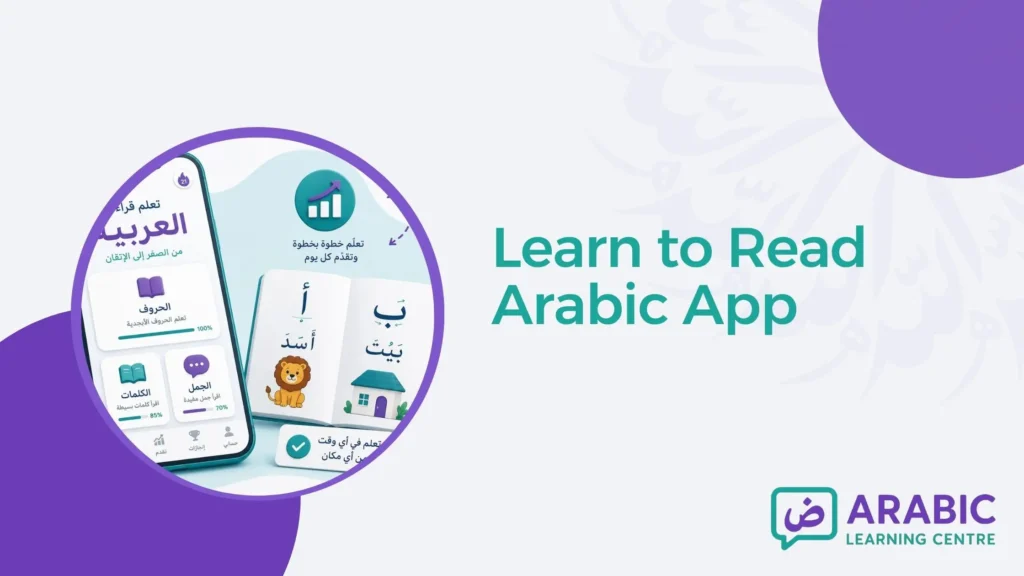
You downloaded a learn to read Arabic app. You spent two weeks on it. You still cannot read a single connected line of Arabic text without sounding out every letter individually. This is not a personal failure — it is a selection problem. Most Arabic apps teach vocabulary, phrases, or conversation. Very few are built specifically to develop reading ability, and those that do vary enormously in quality and depth.
This guide evaluates 9 apps specifically for Arabic reading skill development: how they teach the script, how they handle letter connection and vowels, and how far they can realistically take a beginner. Every app on this list was selected based on verified ratings, pedagogical quality, and proven ability to build real Arabic reading skills — not marketing claims.
1- Write It! Arabic Builds the Script Foundation Every Arabic Reader Needs
Write It! Arabic is the highest-rated learn to read Arabic app for script formation, and it addresses the single biggest gap in most Arabic reading journeys directly. Recognizing a letter in isolation is not the same as writing it correctly — writing builds the motor memory that makes reading fast and automatic.
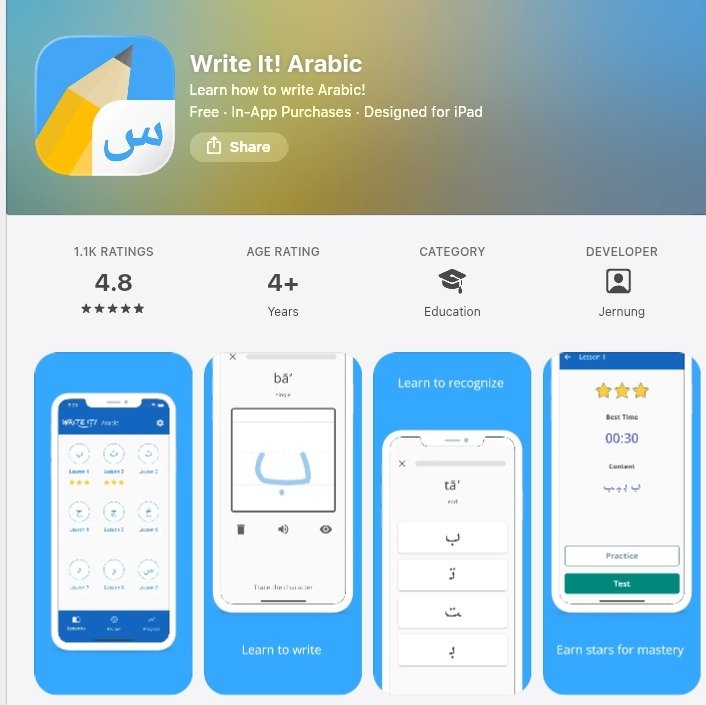
The app covers all 28 Arabic letters in all four positional forms:
| Positional Form | When It Appears | Example (ب) |
| Isolated | Letter stands alone | ب |
| Initial | Letter begins a word | بـ |
| Medial | Letter appears mid-word | ـبـ |
| Final | Letter ends a word | ـب |
For each letter, Write It! Arabic delivers instruction in this sequence:
- Animated stroke-order demonstration before any tracing begins, so learners see exactly how each letter is drawn before attempting it.
- Finger-tracing on screen with real-time accuracy feedback, which corrects directional errors immediately before they become habits.
- Progression from isolated letters to connected words, so script formation practice immediately transfers to real reading contexts.
- Accuracy scoring saved after every session, giving learners a measurable record of improvement across all 28 letters.
The one-time cost of $3.99 with no subscription makes Write It! Arabic exceptional value for any beginner. It does not teach vocabulary or grammar — pair it with a structured reading app from Week 2 onward for complete development.
At The Arabic Learning Centre, the Arabic Script Writing Course delivers the same script foundation with live native-tutor correction that no app can replicate.
Start writing Arabic correctly from Day 1.
2- Duolingo Arabic Gives Complete Beginners a Zero-Barrier Reading Entry Point
Duolingo Arabic is the most widely used learn to read Arabic app free option available, and its gamified structure — streaks, hearts, and leaderboards — builds daily study habits more effectively than almost any other app. It introduces the Arabic script from the very first lesson without requiring any prior knowledge whatsoever.
What Duolingo does well for reading development:
- Script recognition from Day 1, with Arabic letters introduced gradually alongside vocabulary so learners absorb letter shapes in real word contexts.
- Spaced repetition cycling previously learned material back into each session, preventing the forgetting that stalls reading progress between sessions.
- Short 5–10 minute lessons that eliminate the friction of starting, which matters most for learners who find Arabic overwhelming at first.
What Duolingo does not do well for reading development:
- Zero grammar explanations for Arabic — learners recognize words but cannot understand why sentences are structured as they are.
- No harakat (vowel diacritics) training, meaning pronunciation guides that beginners need most are completely absent.
- The Arabic course is significantly shallower than Duolingo’s European language offerings and plateaus faster.
Duolingo is the right first app, not the only app. Use it for the first 4–6 weeks to build script recognition and daily habit, then add a grammar-focused resource to continue progressing.
Inside Our Classrooms
See how we make learning interactive and engaging! Watch a quick snippet of our live, conversational classes in action:
3- AlifBee Delivers the Most Complete Learn to Read Arabic App Curriculum
AlifBee is the most comprehensive learn to read Arabic app built specifically for Arabic learners, and the depth of its reading curriculum reflects that focus directly. Unlike general language platforms that treat Arabic as one of fifty languages, AlifBee was built from the ground up for Arabic reading and speaking development.
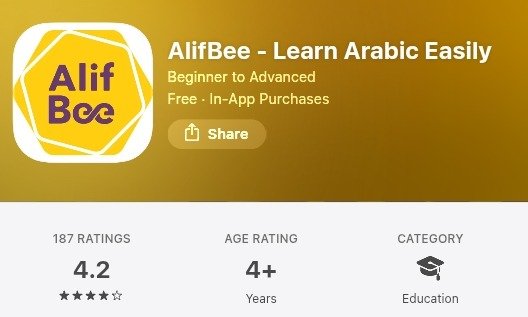
AlifBee’s reading curriculum covers these components in structured sequence:
- A full dedicated level for the Arabic alphabet with handwriting exercises covering all positional forms before any connected text is introduced.
- Vocabulary lessons tied to everyday contexts, so each new word is immediately readable inside real sentences rather than isolated lists.
- Grammar explanations in plain English that reveal why Arabic sentences read the way they do — giving learners understanding, not just pattern recognition.
- AI-powered speech recognition that confirms correct pronunciation as reading develops, linking the visual and auditory experience of each word together.
A direct comparison between AlifBee and Duolingo for reading development:
| Feature | AlifBee | Duolingo |
| Alphabet depth | Full dedicated level | Basic recognition only |
| Grammar explanations | Yes | No |
| Harakat training | Yes | No |
| Dialect options | MSA + Egyptian + Gulf | MSA only |
| Cost | Free / $80 per year | Free / $84 per year |
AlifBee’s free tier allows meaningful evaluation before committing. For learners serious about building real reading ability rather than surface-level word recognition, AlifBee is the strongest paid option among Arabic-specific apps.
At The Arabic Learning Centre, the Arabic Grammar Course provides the live grammatical instruction that AlifBee’s app-based format cannot fully replace.
Understand what you read, not just recognize it
4- LingQ Transforms Authentic Arabic Texts into a Personalized Reading Tool
LingQ is the strongest app to read Arabic text at the intermediate level, built around one powerful principle: learn a language by reading and listening to content you genuinely care about. Every unknown word becomes a saved vocabulary item tracked through spaced repetition until it is permanently known.
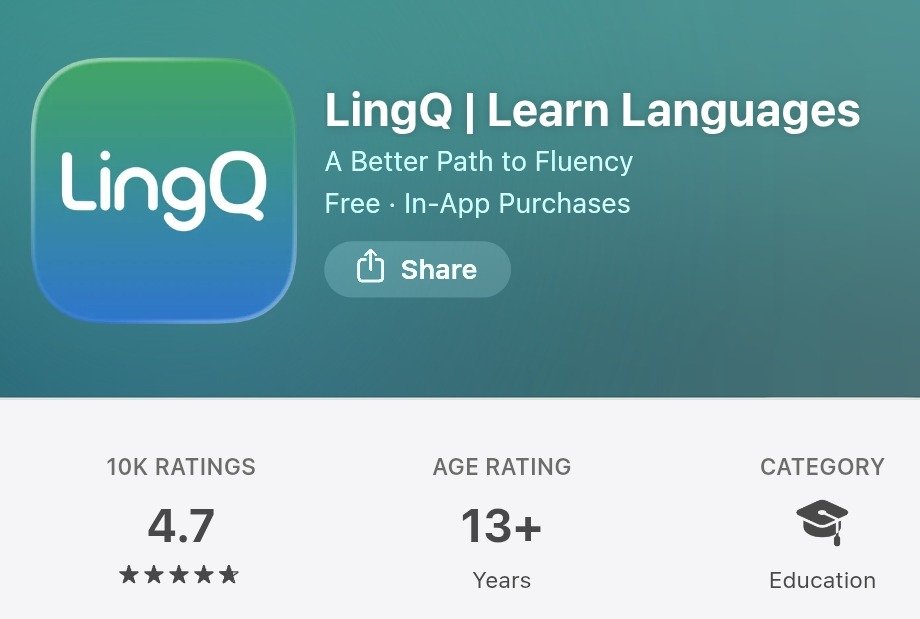
What sets LingQ apart from every other app on this list is that it works with real, unmodified Arabic — not simplified learner content. An intermediate learner can import an Al Jazeera article and work through it word by word, building vocabulary in the exact contexts where those words actually appear.
The built-in audio synchronization highlights text as audio plays simultaneously, making it both a listening and reading tool in one session. LingQ’s core workflow for Arabic reading practice follows these steps:
- Open any Arabic text — imported or from LingQ’s built-in library — and tap any unknown word for instant definition.
- The word is saved as a LingQ and enters the spaced repetition review system automatically.
- Review all saved LingQs in short daily sessions until each word moves from unknown to known status.
- Track total known word count as a measurable proxy for reading level growth over time.
LingQ requires a vocabulary foundation of at least 200–300 words before it becomes effective. It is not suitable for absolute beginners — start with Duolingo or AlifBee first, then transition to LingQ at the intermediate stage for authentic text reading.
5- Anki Locks Arabic Vocabulary into Long-Term Memory Through Spaced Repetition
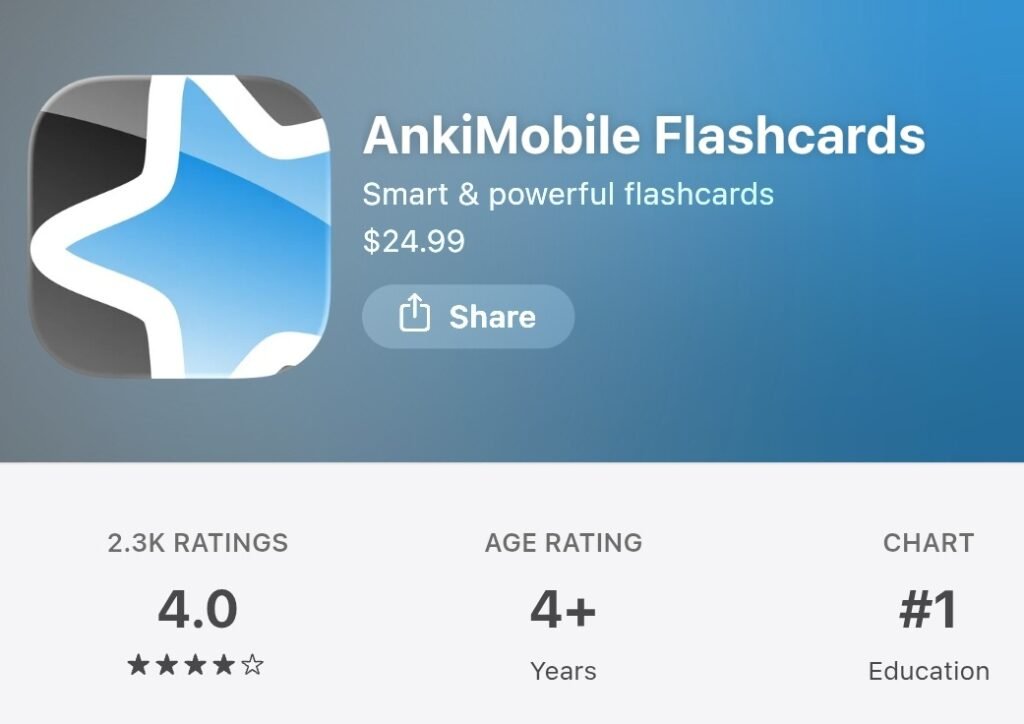
Anki is not a traditional learn to read Arabic app — it is a spaced repetition flashcard system that happens to be the most powerful vocabulary retention tool available to Arabic readers at any level.
Using the scientifically validated forgetting curve algorithm, Anki shows each vocabulary item at precisely the moment the brain is about to forget it, converting short-term exposure into long-term memory in a fraction of the time that passive review requires.
For Arabic reading specifically, Anki’s value lies in three pre-made decks available for free download:
- The Quranic Arabic frequency deck covering the 500 most common words in the Quran, which account for approximately 75% of its total word count.
- The Hans Wehr Arabic dictionary deck, widely used by intermediate and advanced learners building formal vocabulary.
- The Madinah Arabic vocabulary deck, which follows the same curriculum used in Islamic universities worldwide.
A 15–20 minute daily Anki session consistently outperforms 60-minute passive vocabulary review sessions. This is not a claim — it is the documented outcome of spaced repetition research applied to language acquisition.
The one significant limitation is the iOS pricing: the AnkiMobile app costs $24.99 as a one-time purchase, while the Android and web versions are completely free. The iOS cost is a deliberate funding mechanism for the open-source project — not a subscription.
At The Arabic Learning Centre, the Arabic Vocabulary Course delivers systematic vocabulary acquisition through live instruction that builds the same long-term retention Anki provides — with the added benefit of native-speaker correction and contextual explanation.
Never forget an Arabic word again.
6- Beelinguapp Builds Arabic Reading Comprehension Through Bilingual Storytelling
Beelinguapp presents Arabic stories, news articles, and cultural texts in a split-screen format — Arabic on one side, your native language on the other — with native speaker audio that highlights each sentence as it is read aloud. This parallel text approach allows learners to absorb Arabic in meaningful context without stopping to look up individual words.
The audio component is what elevates Beelinguapp above a simple bilingual reader. As learners follow the Arabic text while hearing it spoken naturally, the brain simultaneously processes the written form, the sound, and the meaning — a multi-channel input approach that reinforces reading retention more effectively than silent reading alone.
The two reading modes Beelinguapp offers are:
- Standard mode, where Arabic and your native language appear side by side and you control the pace of reading through the text independently.
- Karaoke mode, where you read aloud and the app highlights each sentence in sync with the native speaker audio, training reading fluency and pronunciation simultaneously.
Beelinguapp does not teach Arabic — it provides reading practice for learners who already have basic Arabic literacy. If you cannot yet read Arabic script, start with Write It! Arabic or Duolingo before using Beelinguapp for reading practice.
Read Also: Is It Compulsory to Read the Quran in Arabic?
7- ArabicPod101 Develops Reading Skills Through Structured Audio-Text Lessons
ArabicPod101 is the largest audio-based Arabic learning platform available, offering thousands of podcast-style lessons organized from absolute beginner to advanced. Each lesson includes a full transcript, vocabulary list, grammar notes, and line-by-line audio — making it simultaneously a listening and reading development tool.
What makes ArabicPod101 particularly valuable for reading development is the transcript feature. Every Arabic word spoken in each lesson appears in the full Arabic script alongside its transliteration and English translation. Reading along while listening trains the brain to connect spoken Arabic sounds to written Arabic forms — the core mechanism behind Arabic reading fluency.
The most effective ArabicPod101 reading practice workflow follows this sequence:
- Listen to a lesson once with the audio only, focusing entirely on comprehension.
- Read the full Arabic transcript while listening a second time, connecting the sounds heard to the script seen.
- Review the lesson vocabulary list and read each word in the Arabic script independently before moving to the next lesson.
The free tier includes hundreds of lessons — enough to evaluate the platform fully before committing to a paid subscription. ArabicPod101 shines most at the intermediate level, where the ratio of Arabic to English explanation increases significantly.
At The Arabic Learning Centre, the Arabic Speaking Course pairs the listening and reading skills ArabicPod101 develops with live conversation practice, producing faster overall Arabic literacy than app-based study alone.
Read Also: Learn to Read Arabic in 21 Days
Build reading and speaking fluency together.
8- Madinah Arabic Provides the Most Credible Free Quranic Reading Curriculum
Madinah Arabic brings the structured reading curriculum of the Islamic University of Madinah into a mobile format — the same curriculum that has taught Arabic to millions of non-native learners in Islamic universities worldwide.
Lessons progress from simple vowelized texts to more complex passages, with comprehension exercises at each stage to verify understanding before advancing.
The Madinah Arabic curriculum divides the reading journey into three progressive books:
- Book 1 covers foundational Arabic grammar and simple vowelized reading from the first lesson onward.
- Book 2 advances to more complex grammatical structures and longer reading passages with reduced vowelization.
- Book 3 introduces classical Arabic texts and the reading skills required for Quranic comprehension at a scholarly level.
Madinah Arabic is built for serious acquisition, not entertainment. It lacks the gamification, animations, and engagement mechanics of commercial apps like Duolingo or AlifBee. Learners who are motivated primarily by entertainment value will find it demanding — but those whose goal is Quranic Arabic reading will find no more credible free resource available.
Read Also: Learn How to Write and Read Arabic for Beginners
9- Pimsleur Arabic Trains the Pronunciation Foundation That Makes Reading Audible
Pimsleur Arabic is primarily an audio-first language learning platform, but its dedicated reading lessons make it a valuable complement to any learn to read Arabic app free strategy. Each Pimsleur Arabic course includes structured reading sessions that introduce the Arabic script gradually alongside the spoken language — so reading development happens in parallel with pronunciation training.
The unique value Pimsleur adds to Arabic reading development is phonological accuracy. Arabic contains sounds that do not exist in English — ع (ayn), غ (ghayn), ح (ha), خ (kha), ق (qaf) — and mispronouncing these sounds while reading produces deeply ingrained errors that become very difficult to correct later. Pimsleur’s 30-minute audio lessons train these sounds to accuracy before reading practice introduces them in written form.
A comparison of Pimsleur’s reading features against other audio-first apps:
| Feature | Pimsleur | ArabicPod101 |
| Script reading lessons | Yes — dedicated reading sessions | Yes — transcript-based |
| Pronunciation correction | Yes — audio-based accuracy training | No |
| MSA and dialect options | MSA + Levantine | MSA primarily |
| Cost | $14.95 per month | $4–$23 per month |
| Offline access | Yes | Yes |
Pimsleur is best used as a pronunciation foundation alongside a script-focused app — use Write It! Arabic or AlifBee for script formation and Pimsleur for the pronunciation accuracy that makes your reading sound correct aloud.
Read Also: How to Read Arabic Time?
Don’t Just Take Our Word For It
Take a look inside our vibrant classes and see our students and teachers in action. Click below to watch our classroom experience:
Start Learning to Read Arabic Today at The Arabic Learning Centre
Every app on this list addresses one or two aspects of Arabic reading development. None of them addresses all of them — and none of them can correct your pronunciation, answer your grammar questions in real time, or adjust the lesson when you struggle with a specific letter or vowel pattern.
The Arabic Learning Centre fills every gap that apps leave open:
- Certified Arab tutors with native-level proficiency who correct reading errors, pronunciation mistakes, and script formation in real time during every session.
- One-on-one live sessions structured specifically around your current reading level and individual weaknesses — not a generic curriculum.
- Real-time Makharij and pronunciation correction using audio-visual feedback during every session, so reading aloud develops with accuracy from the first lesson.
- Flexible scheduling across all global time zones including EST, PST, GMT, CET, IST, GST, and MYT.
- Female Arabic teacher options available for learners who prefer culturally sensitive instruction.
- Monthly progress reports and written feedback provided after every session.
Courses We Offer:
- Online Arabic Course
- Classical arabic course
- Modern Standard Arabic Course
- Fusha Arabic Course
- Learn Saudi Arabic
- Arabic Course for Beginners
- Arabic Classes for Adults
- Arabic Classes for Ladies
- Advanced Arabic Course
- Intensive Arabic Course
Book your free trial session today.
Conclusion
The best learn to read Arabic app depends entirely on what stage of reading development you are at. Write It! Arabic builds the script foundation. Duolingo builds daily habit and basic recognition. AlifBee delivers a complete structured curriculum. LingQ takes intermediate learners into authentic Arabic texts. Anki locks vocabulary into long-term memory. No single app replaces all the others — the most effective readers combine two or three tools that cover different skills simultaneously.
What apps cannot do is replace a certified native Arabic tutor who corrects your errors in real time, explains why Arabic grammar works the way it does, and adjusts every session to your specific weaknesses. Register at The Arabic Learning Centre today and combine the best apps with live expert instruction for the fastest, most accurate Arabic reading development possible.
FAQ
What is the best learn to read Arabic app for absolute beginners?
Write It! Arabic for script formation and Duolingo for daily habit and vocabulary — used together, these two free or low-cost apps cover everything a complete beginner needs in the first 4–6 weeks.
Is there a reliable learn to read Arabic app free option that covers grammar?
AlifBee’s free tier includes grammar explanations alongside alphabet and vocabulary lessons — making it the strongest free option that goes beyond surface-level recognition.
Which app to read Arabic text works best at the intermediate level?
LingQ is the strongest intermediate tool, allowing learners to read authentic Arabic content word by word with instant vocabulary lookup and built-in spaced repetition tracking.
Does Pimsleur teach Arabic reading or only speaking?
Pimsleur includes dedicated reading lessons in its Arabic courses. It teaches reading in parallel with pronunciation training — not as a standalone reading curriculum, but as a structured complement to its audio lessons.
How many apps do I need to develop complete Arabic reading ability?
Two to three apps covering different skills is the most effective approach. A script formation app, a structured curriculum app, and a vocabulary retention tool together cover everything a beginner needs to reach functional Arabic reading ability.
Related Articles
Arabic Resources & Courses