 Arabic Vocabulary & Speaking
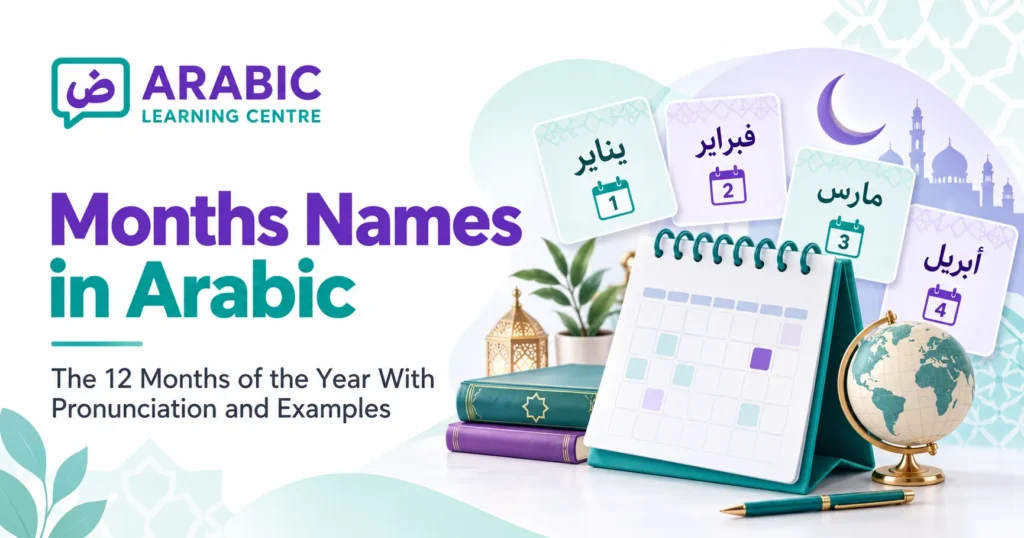
Learning the months names in Arabic is an essential step toward discussing dates, birthdays, appointments, and everyday plans. Whether you are a beginner or already learning Arabic, knowing the months will help you communicate more confidently.
In this guide, you will learn the 12 Gregorian months in Arabic, including their pronunciation, English meanings, and practical example sentences. You will also discover regional variations used across Arab countries.
Additionally, you will explore the 12 Hijri months, understand the difference between the Gregorian and Islamic calendars, and discover simple ways to memorize Arabic month names. These practical tips will help you use your new vocabulary in everyday conversations.

1. January in Arabic: يناير (Yanāyir)
January is called يناير (Yanāyir) in standard Arabic. In the Levant and Iraq, it is known as كانون الثاني (Kānūn ath-Thānī), while Algeria and Tunisia use جانفي (Jānfī).
Example:
تبدأ السنة الجديدة في شهر يناير.
Tabdaʾ as-sana al-jadīda fī shahr Yanāyir.
The new year starts in January.
2. February in Arabic: فبراير (Fibrāyir)
February is called فبراير (Fibrāyir) in standard Arabic. In the Levant and Iraq, it is شباط (Shubāṭ), while Algeria and Tunisia use فيفري (Fīfrī).
Example:
فبراير أقصر شهور السنة.
Fibrāyir aqṣar shuhūr as-sana.
February is the shortest month of the year.
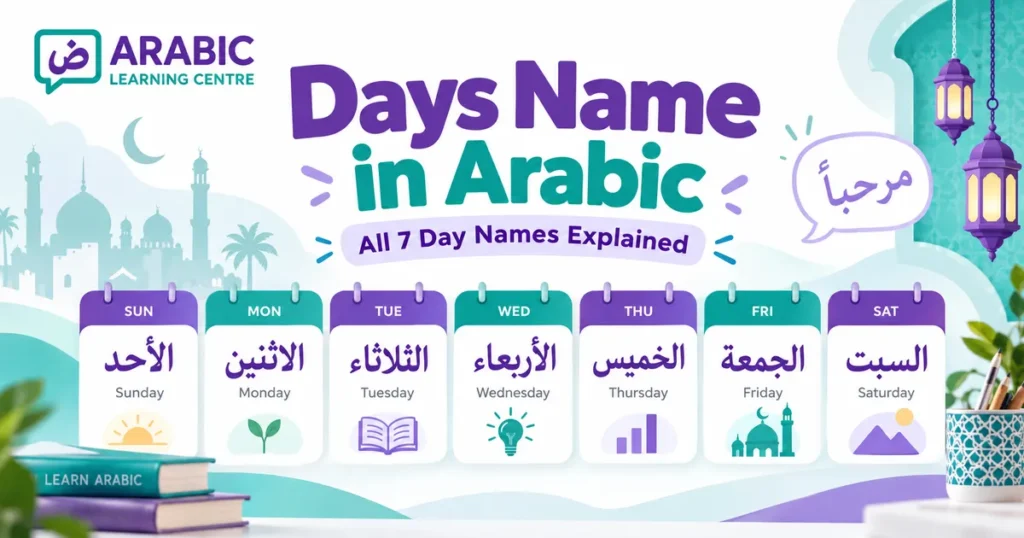
Read also: Days Name In Arabic – All 7 Day Names Explained
3. March in Arabic: مارس (Māris)
March is called مارس (Māris) in standard Arabic. In the Levant and Iraq, it is known as آذار (Ādhār).
Example:
يبدأ الربيع في شهر مارس.
Yabdaʾ ar-rabīʿ fī shahr Māris.
Spring begins in March.
4. April in Arabic: أبريل (Abrīl)
April is called أبريل (Abrīl) in standard Arabic. It is also written إبريل (Ibrīl). In the Levant and Iraq, the name is نيسان (Naysān), while Algeria and Tunisia use أفريل (Afrīl).
Example:
عيد ميلادي في أبريل.
ʿĪd mīlādī fī Abrīl.
My birthday is in April.
5. May in Arabic: مايو (Māyū)
May is called مايو (Māyū) in standard Arabic. In the Levant and Iraq, it is known as أيار (Ayyār), while ماي (Māy) is common in Algeria, Tunisia, and Morocco.
Example:
الجو دافئ في مايو.
Al-jaww dāfiʾ fī Māyū.
The weather is warm in May.
Read also: Fruit Names in Arabic – 15 Common Fruits with Pronunciation and Examples
6. June in Arabic: يونيو (Yūnyū)
June is called يونيو (Yūnyū) in standard Arabic. In the Levant and Iraq, it is حزيران (Ḥazīrān), while Algeria and Tunisia use جوان (Jwān).
Example:
تنتهي الدراسة في يونيو.
Tantahī ad-dirāsa fī Yūnyū.
School ends in June.
7. July in Arabic: يوليو (Yūlyū)
July is called يوليو (Yūlyū) in standard Arabic. In the Levant and Iraq, it is تموز (Tammūz), while Algeria and Tunisia use جويلية (Jwīlya). In Morocco, it is يوليوز (Yūliyūz).
Example:
يوليو من أحر شهور السنة.
Yūlyū min aḥarr shuhūr as-sana.
July is one of the hottest months of the year.
If reading unvowelled script still slows you down, our Arabic reading course builds that skill step by step.

8. August in Arabic: أغسطس (Aghusṭus)
August is called أغسطس (Aghusṭus) in standard Arabic. In the Levant and Iraq, it is آب (Āb), while Algeria and Tunisia use أوت (Ūt). In Morocco, the name is غشت (Ghusht).
Example:
سأسافر في إجازة في أغسطس.
Saʾusāfir fī ijāza fī Aghusṭus.
I will travel on vacation in August.
9. September in Arabic: سبتمبر (Sibtambar)
September is called سبتمبر (Sibtambar) in standard Arabic. In the Levant and Iraq, it is أيلول (Aylūl), while Morocco uses شتنبر (Shutanbir).
Example:
يعود الطلاب إلى المدارس في سبتمبر.
Yaʿūd aṭ-ṭullāb ilā al-madāris fī Sibtambar.
Students return to school in September.
10. October in Arabic: أكتوبر (Uktūbar)
October is called أكتوبر (Uktūbar) in standard Arabic. In the Levant and Iraq, it is known as تشرين الأول (Tishrīn al-Awwal).
Example:
تبدأ الدورة في أكتوبر.
Tabdaʾ ad-dawra fī Uktūbar.
The course starts in October.
11. November in Arabic: نوفمبر (Nūfambar)
November is called نوفمبر (Nūfambar) in standard Arabic. In the Levant and Iraq, it is تشرين الثاني (Tishrīn ath-Thānī), while Morocco uses نونبر (Nuwanbir).
Example:
يبرد الطقس في نوفمبر.
Yabrud aṭ-ṭaqs fī Nūfambar.
The weather gets cold in November.
12. December in Arabic: ديسمبر (Dīsambar)
December is called ديسمبر (Dīsambar) in standard Arabic. In the Levant and Iraq, it is كانون الأول (Kānūn al-Awwal), while Morocco uses دجنبر (Dujanbir).
Example:
ديسمبر هو آخر شهر في السنة.
Dīsambar huwa ākhir shahr fī as-sana.
December is the last month of the year.
Don’t Just Take Our Word For It
Take a look inside our vibrant classes and see our students and teachers in action. Click below to watch our classroom experience:
Hijri (Islamic) Months Names in Arabic
The Hijri calendar (التقويم الهجري) is lunar, so each month starts with the sighting of the new crescent. A Hijri year is about 11 days shorter than a Gregorian year, which is why Ramadan and the two Eids move earlier every year.
The calendar was set up under Caliph Umar ibn al-Khattab and counts from the Hijra, the Prophet’s migration from Mecca to Medina in 622 CE.
| No. | Arabic | Transliteration | Meaning |
| 1 | مُحَرَّم | Muḥarram | Forbidden, sacred |
| 2 | صَفَر | Ṣafar | Empty, void |
| 3 | رَبِيع الأَوَّل | Rabīʿ al-Awwal | The first spring |
| 4 | رَبِيع الآخِر / الثّانِي | Rabīʿ al-Ākhir / ath-Thānī | The second spring |
| 5 | جُمادَى الأُولَى | Jumādā al-Ūlā | The first dry month |
| 6 | جُمادَى الآخِرَة | Jumādā al-Ākhirah | The second dry month |
| 7 | رَجَب | Rajab | To revere |
| 8 | شَعْبان | Shaʿbān | Scattered (tribes dispersing) |
| 9 | رَمَضان | Ramaḍān | Scorching heat; month of fasting |
| 10 | شَوّال | Shawwāl | To lift; Eid al-Fitr falls on its first day |
| 11 | ذُو القَعْدَة | Dhū al-Qaʿdah | The month of sitting (no travel or war) |
| 12 | ذُو الحِجَّة | Dhū al-Ḥijjah | The month of pilgrimage (Hajj) |
Four of these are the sacred months (الأشهر الحُرُم): Muḥarram, Rajab, Dhū al-Qaʿdah and Dhū al-Ḥijjah. Fighting was forbidden in them before Islam, and the Quran confirms their status in Surah At-Tawbah (9:36).
The Hijri month names are Classical Arabic and appear in the Quran, hadith and formal writing. A solid base in Modern Standard Arabic helps you read them in context and understand phrases like “the first of Ramadan” in news reports and announcements.

Why Arabic Month Names Vary Across Countries?
Arabic month names are not exactly the same throughout the Arab world. The differences are especially noticeable in the names used for the Gregorian calendar.

In Egypt and many Gulf countries, people commonly use names such as يناير (Yanāyir) for January and فبراير (Fibrāyir) for February. In parts of the Levant and Iraq, traditional names such as كانون الثاني (Kānūn ath-Thānī) for January and شباط (Shubāṭ) for February are widely used.
Algeria and Tunisia also use names such as جانفي (Jānfī) for January and فيفري (Fīfrī) for February. In Morocco, names such as يوليوز (Yūliyūz) for July and غشت (Ghusht) for August are common.
These variations are useful to recognize when speaking with Arabic speakers from different countries. However, you do not need to memorize every regional version immediately. Start with the month names most commonly used in the Arabic variety you are learning.
How to Use Arabic Month Names in Sentences?
Arabic month names are used to talk about dates, birthdays, school schedules, and future plans. The following examples show how to use month names in simple Arabic sentences.

Using Arabic Month Names with “In”
The preposition في (fī) means “in” and is commonly used before month names. For example, you can say:
أبدأ الدراسة في شهر سبتمبر.
I start studying in September.
Another example is:
الجو جميل في مارس.
The weather is beautiful in March.
Asking About the Current Month in Arabic
To ask someone which month it is, say نحن في أي شهر؟ (Naḥnu fī ayyi shahr?), which means “What month are we in?”
You can answer with نحن في شهر مارس (Naḥnu fī shahr Māris), meaning “We are in March.”
Talking About Birthdays in Arabic
To talk about your birthday, use عيد ميلادي (ʿīd mīlādī), meaning “my birthday,” followed by the month.
For example, عيد ميلادي في أبريل means “My birthday is in April.”
Talking About Future Plans in Arabic
You can mention a month when talking about travel or future plans. For example, سأسافر في شهر ديسمبر means “I will travel in December.”
This sentence structure also works when talking about holidays, appointments, and upcoming events.
The Difference Between the Gregorian and Hijri Calendars
The Gregorian and Hijri calendars both contain 12 months, but they are based on different systems.
| Feature | Gregorian Calendar | Hijri Calendar |
| Basis | Solar year | Lunar year |
| Number of months | 12 | 12 |
| Length of year | 365 or 366 days | About 354 or 355 days |
| Common uses | Civil dates, school, work, and international events | Islamic dates, Ramadan, Eid, and Hajj |
| Month timing | Follows the solar year | Shifts through the seasons over time |
Because the Hijri calendar follows lunar cycles, Ramadan and the two Eids occur at different points in the Gregorian calendar from year to year. Learning both sets of month names helps you discuss everyday dates as well as Islamic occasions.
Easy Ways to Memorize the Months in Arabic
Memorizing all 12 month names becomes easier when you practice them in small groups and use them in context.

1. Learn three months at a time
Start with January, February, and March. Review them until you can say and recognize them without looking, then continue with the next three months.
2. Connect each month to an event
For example, remember سبتمبر (Sibtambar) as the month when school often begins, or ديسمبر (Dīsambar) as the final month of the Gregorian year.
3. Practice saying the months in order
Read the names aloud from January to December, then try to recall them without looking at the list. Repeat the exercise in reverse order to strengthen your memory.
4. Write simple sentences
Use each new month in a sentence about your birthday, a family event, or your plans. Connecting vocabulary to your own life makes it easier to remember.
5. Listen to Arabic speakers
Pronunciation and regional names can differ, so listening to speakers from the country whose Arabic you are learning will help you recognize the forms used in everyday conversation.
6. Practice a little every day
Spend five minutes reviewing month names, reading the Arabic spelling, and saying each name aloud. Short, consistent practice is often more effective than trying to memorize everything in one session.
If you live or work in Saudi Arabia, you will hear both Gregorian and Hijri dates in daily conversation, and people often use month numbers too. Our Saudi Arabic course teaches how locals actually talk about dates, appointments and deadlines.

Inside Our Classrooms
See how we make learning interactive and engaging! Watch a quick snippet of our live, conversational classes in action:
Improve Your Arabic with Arabic Learning Centre
Learning Arabic vocabulary, including the names of the months, is an important step toward using the language in everyday life. With the right guidance, you can learn how to pronounce Arabic words correctly, understand their meanings, and use them naturally in conversations.
Arabic Learning Centre offers structured Arabic lessons designed to help learners improve their vocabulary, grammar, pronunciation, and speaking skills. Whether you are a beginner or want to develop your existing knowledge, you can follow a learning path that matches your level and goals.
Through guided lessons and regular practice, you can go beyond memorizing individual words and learn how to use Arabic confidently in real-life situations, from talking about dates and appointments to having everyday conversations.
Start your Arabic learning journey today and sign up for a free trial to explore the courses.
Courses We Offer:
- Online Arabic Course
- Classical arabic course
- Modern Standard Arabic Course
- Fusha Arabic Course
- Learn Saudi Arabic

Conclusion
Learning the months names in Arabic becomes easier when you practice their spelling, pronunciation, and usage in simple sentences. Start by memorizing the 12 Gregorian months in order before exploring regional variations and the Hijri calendar.
Use your new vocabulary when discussing birthdays, planning trips, or talking about important dates and Islamic occasions. Connecting month names to real-life situations will help you remember them more naturally.
With consistent daily practice, you can build your Arabic vocabulary and recognize month names more confidently. Keep reviewing the names, listening to Arabic speakers, and using the words in conversation to strengthen your learning.
Frequently Asked Questions About Month Names in Arabic
What are the 12 months in Arabic?
The 12 Gregorian months in Arabic are يناير (January), فبراير (February), مارس (March), أبريل (April), مايو (May), يونيو (June), يوليو (July), أغسطس (August), سبتمبر (September), أكتوبر (October), نوفمبر (November), and ديسمبر (December). Some Arab countries use different regional names for certain months.
Are Arabic month names the same in every country?
No. Month names vary by region. For example, January is called يناير (Yanāyir) in Egypt and many other countries, while كانون الثاني (Kānūn ath-Thānī) is used in parts of the Levant and Iraq. Algeria and Tunisia commonly use جانفي (Jānfī).
How do you say January in Arabic?
January is commonly written as يناير and pronounced Yanāyir. In parts of the Levant and Iraq, it is called كانون الثاني (Kānūn ath-Thānī).
What is the first month of the year in Arabic?
The first month of the Gregorian calendar is يناير (Yanāyir), or January. The first month of the Hijri calendar is مُحَرَّم (Muḥarram).
How many months are in the Arabic calendar?
Both the Gregorian calendar and the Hijri calendar have 12 months. The main difference is that the Gregorian calendar is solar, while the Hijri calendar is lunar.
What is the Arabic word for month?
The Arabic word for “month” is شَهْر (shahr). Its plural is أَشْهُر (ashhur) or شُهُور (shuhūr). For example, في شهر مارس (fī shahr Māris) means “in March” or, literally, “in the month of March.”
How can I learn Arabic month names quickly?
Begin with the 12 commonly used Gregorian names, practice them in order, and use them in short sentences. Once you feel comfortable with those names, learn the Hijri months and the regional variations used by speakers you communicate with.
2 responses to “Months Names In Arabic – The 12 Months Of The Year With Pronunciation And Examples”
Related Articles
Arabic Vocabulary & Speaking







[…] Read also: Months Names in Arabic – The 12 Months of the Year With Pronunciation and Examples […]
[…] Read also: Months Names in Arabic – The 12 Months of the Year With Pronunciation and Examples […]