 Arabic Vocabulary & Speaking
| Key Takeaways |
| السَّلَامُ عَلَيْكُمْ (As-salāmu ʿalaykum) is the universal Arabic greeting used across all Arabic-speaking countries and communities worldwide. |
| Arabic greetings are gendered — the reply you give changes depending on whether you are addressing a man, a woman, or a group of people. |
| Standard Arabic greetings follow a call-and-response structure, meaning each greeting phrase has a specific expected reply from the listener. |
| Beyond the Islamic greeting, Arabic has time-specific greetings for morning, afternoon, and evening that native speakers use in daily conversation. |
| Mastering Arabic greetings requires correct pronunciation of sounds like ع (ʿayn) and خ (khā’), which do not exist in English. |
Greeting people in Arabic begins with one phrase: السَّلَامُ عَلَيْكُمْ (As-salāmu ʿalaykum), meaning “Peace be upon you.” This single expression functions as the standard Islamic and pan-Arabic greeting, recognised and welcomed from Morocco to Indonesia. It is your first and most essential phrase as a learner.
What makes Arabic greetings distinctive is their structured, reciprocal nature. Every greeting has a prescribed response, and those responses shift depending on who you are speaking to.
What Is the Most Common Way to Greet People in Arabic?
The most universally used greeting in Arabic is السَّلَامُ عَلَيْكُمْ (As-salāmu ʿalaykum), translating directly as “Peace be upon you.” It is appropriate in every Arabic-speaking country, in formal and informal settings alike, and across all age groups.
The standard reply is وَعَلَيْكُمُ السَّلَام (Wa-ʿalaykumu s-salām), meaning “And upon you peace.” Mastering this exchange alone will take you a long way.
This greeting carries deep roots in Islamic tradition and is used by Arabic-speaking Muslims and non-Muslims in the Arab world alike.
At The Arabic Learning Centre, our certified instructors introduce this phrase in the very first lesson of our Arabic Course for Beginners — because it is the single most practical phrase a new learner can have.
Join Our Arabic Course for Beginners With a Free Trial

The greeting also has an extended form used when the speaker wishes to convey additional warmth and blessing:
السَّلَامُ عَلَيْكُمْ وَرَحْمَةُ اللهِ وَبَرَكَاتُهُ
As-salāmu ʿalaykum wa-raḥmatu -llāhi wa-barakātuh
“Peace be upon you, and the mercy of Allah, and His blessings.”
The reply to this extended form is equally expanded:
وَعَلَيْكُمُ السَّلَامُ وَرَحْمَةُ اللهِ وَبَرَكَاتُهُ
Wa-ʿalaykumu s-salāmu wa-raḥmatu -llāhi wa-barakātuh
“And upon you peace, and the mercy of Allah, and His blessings.”
Using the full extended form is considered especially respectful — a mark of warmth and courtesy that native speakers genuinely notice and appreciate.
Shots Videos from Our Courses
How Do You Say Greetings in Arabic for Different Times of Day?
Arabic uses three time-specific greetings for morning, afternoon, and evening, each with a fixed reply. These phrases are used in everyday conversation across the Arab world and are an important part of how native speakers greet one another in non-religious or professional contexts.
The pattern follows a simple structure: the greeting and its reply share the same root word, with the response either mirroring the phrase exactly or offering a synonym in return. Here is the complete set:
| Time of Day | Greeting | Transliteration | Reply | Transliteration |
| Morning | صَبَاحُ الْخَيْرِ | Ṣabāḥu l-khayr | صَبَاحُ النُّورِ | Ṣabāḥu n-nūr |
| Afternoon/Evening | مَسَاءُ الْخَيْرِ | Masāʾu l-khayr | مَسَاءُ النُّورِ | Masāʾu n-nūr |
| Night (farewell) | تُصْبِحُ عَلَى خَيْرٍ | Tuṣbiḥu ʿalā khayr | وَأَنْتَ مِنْ أَهْلِهِ | Wa-anta min ahlih |
Notice the poetic structure: صَبَاحُ الْخَيْرِ means “a morning of goodness,” and the reply صَبَاحُ النُّورِ means “a morning of light.” The exchange elevates an ordinary hello into something genuinely beautiful.
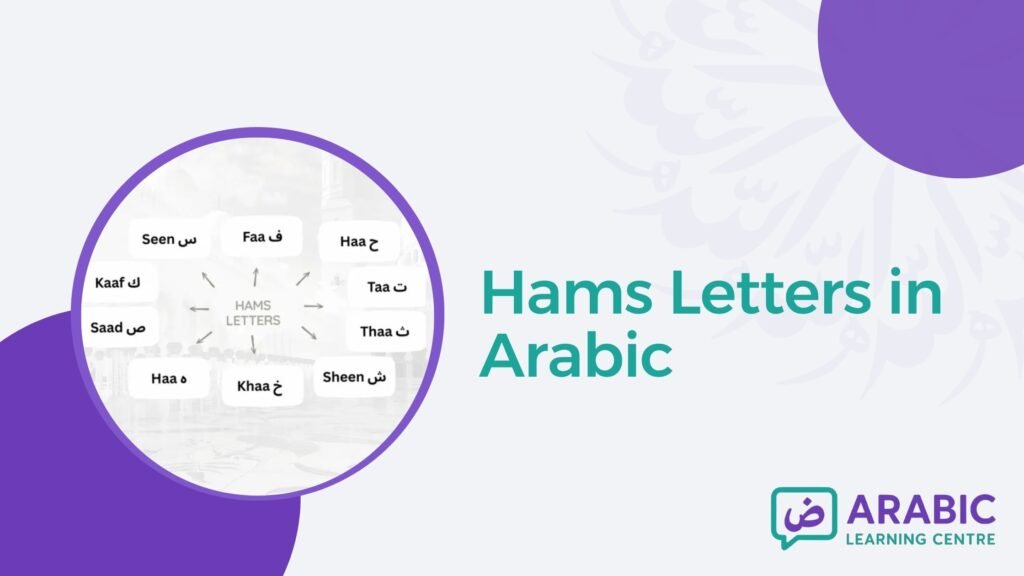
One pronunciation note here: the خ (khā’) in الْخَيْرِ (al-khayr) is produced at the back of the throat — similar to the Scottish “loch” or the Spanish “j” in joven.
Many beginners substitute a plain “k” sound, which significantly changes how the word sounds to native speakers. Our Arabic Pronunciation Course addresses exactly these articulation points in dedicated sessions.
Begin Pronouncing Arabic Fluently with a Free Trial

How Do Greetings in Arabic Change Based on Gender and Number?
Arabic greetings and their responses change form depending on whether you are addressing one man, one woman, or a group. This is one of the most important structural features of Arabic that every learner must understand from the start.
The greeting السَّلَامُ عَلَيْكُمْ itself uses عَلَيْكُمْ (ʿalaykum), which is the plural masculine form — making it universally appropriate when addressing any group, or even a single person out of politeness. The gender-sensitive differences appear most clearly in the time-based greetings and follow-up phrases.
Here is how تُصْبِحُ عَلَى خَيْرٍ (Tuṣbiḥu ʿalā khayr — “good night”) changes by addressee:
| Addressee | Arabic | Transliteration |
| One man | تُصْبِحُ عَلَى خَيْرٍ | Tuṣbiḥu ʿalā khayr |
| One woman | تُصْبِحِينَ عَلَى خَيْرٍ | Tuṣbiḥīna ʿalā khayr |
| A group | تُصْبِحُوا عَلَى خَيْرٍ | Tuṣbiḥū ʿalā khayr |
This gender agreement — where verb endings change to match the grammatical gender and number of the person being addressed — is a core feature of Arabic grammar.
Students in our Arabic Grammar Course explore this system in depth, as it underpins not just greetings but every sentence in the language.
Start Learning Arabic Grammar with a Free Trial

In our instructors’ experience at The Arabic Learning Centre, learners who understand why the endings change — rather than simply memorising fixed phrases — apply these patterns far more accurately in real conversation.
What Are the Informal Arabic Greetings Used in Conversation?
Beyond the formal Islamic greeting, Arabic has several informal expressions that native speakers use constantly in casual settings. These phrases are how Arabic speakers greet friends, colleagues, and acquaintances in everyday life.
How to Say “Hello” Informally in Arabic?
أَهْلاً وَسَهْلاً (Ahlan wa-sahlan) is the most widely used informal greeting, equivalent to “Welcome” or “Hello there.” It can be shortened in casual speech to simply أَهْلاً (Ahlan). The standard reply mirrors the greeting:
أَهْلاً بِكَ (Ahlan bika) — said to a man أَهْلاً بِكِ (Ahlan biki) — said to a woman أَهْلاً بِكُمْ (Ahlan bikum) — said to a group
How to Ask “How Are You?” in Arabic?
Following a greeting, native speakers almost always ask about the other person’s wellbeing. The standard phrase is:
كَيْفَ حَالُكَ؟ (Kayfa ḥāluka?) — said to a man كَيْفَ حَالُكِ؟ (Kayfa ḥāluki?) — said to a woman
Common positive responses of “How Are You?” in Arabic include:
بِخَيْرٍ، شُكْراً (Bi-khayr, shukran) — “Well, thank you” الْحَمْدُ لِلَّهِ (Al-ḥamdu li-llāh) — “Praise be to Allah” (expressing that one is well, by Allah’s grace)
الْحَمْدُ لِلَّهِ in particular is the most authentic and culturally resonant response — used by Arabic speakers reflexively as an expression of gratitude and contentment. Non-Muslim learners use it too, as it is considered a natural part of the Arabic language, not exclusively a religious statement.
If you want to build on these conversational exchanges, our Arabic Conversation Course provides structured practice with certified native Arabic instructors in live 1-on-1 sessions.
Book a FREE session with one of our native Arabic-certified teachers
Why Is Pronouncing Arabic Greetings Correctly So Important?
Correct pronunciation of Arabic greetings is important because Arabic contains sounds that do not exist in English — and mispronouncing them changes both meaning and listener perception. Two sounds appear repeatedly in greetings and require specific attention.
The Sound ع (ʿAyn) in Arabic Greetings
The letter ع (ʿayn) appears in السَّلَامُ عَلَيْكُمْ and أَهْلاً وَسَهْلاً, among others. It is a voiced pharyngeal fricative — produced by constricting the throat, not the lips or tongue. Many English-speaking beginners either skip it entirely or replace it with a simple vowel sound.
In our certified instructors‘ experience, the most effective way to begin producing ع correctly is to imagine “squeezing” the sound from the back of your throat while voicing a sustained “aaa.” It feels unusual at first — but most students begin producing a recognisable ع within two to three focused practice sessions.
The Sound خ (Khā’) in Time-Based Greetings
خ (khā’) appears in الْخَيْرِ (al-khayr) — the word for “goodness” found in both the morning and evening greetings. It is a voiceless velar fricative, produced at the back of the palate — similar to clearing your throat lightly, or the German ch in Bach.
Skipping this sound and replacing it with a plain “k” is the single most common pronunciation error we observe in beginners at The Arabic Learning Centre. The How to Pronounce Arabic guide on our blog covers the articulation points (makhārij) for both these sounds in detail.
Read Also: Free Arabic Practice Worksheets
How to Greet People in Arabic in Formal Situations?
Formal Arabic greetings follow the same core phrases, but with greater attention to the extended forms, precise pronunciation, and respectful body language conventions.
In formal contexts — professional meetings, introductions, or speaking with elders — always use the full extended greeting:
السَّلَامُ عَلَيْكُمْ وَرَحْمَةُ اللهِ وَبَرَكَاتُهُ
As-salāmu ʿalaykum wa-raḥmatu -llāhi wa-barakātuh
Follow up with:
كَيْفَ حَالُكُمْ؟
(Kayfa ḥālukum?)
“How are you all?”
(respectful plural, even when addressing one person)
In formal professional contexts across many Arabic-speaking countries, مَرْحَباً (Marḥaban) — “Welcome” or “Hello” — is also widely used as a Modern Standard Arabic greeting appropriate in any setting. Its reply is مَرْحَبَيْنِ (Marḥabayn) — literally “double the welcome” — a charming expression of warmth.
| Formality Level | Greeting | Context |
| Highly formal | السَّلَامُ عَلَيْكُمْ وَرَحْمَةُ اللهِ وَبَرَكَاتُهُ | Elders, scholars, official meetings |
| Standard formal | السَّلَامُ عَلَيْكُمْ | Workplaces, general introductions |
| Polite informal | مَرْحَباً or أَهْلاً وَسَهْلاً | Friends, casual professional settings |
Our Students Reviews
Read Also: Downloadable Arabic Worksheets for Beginners
Begin Learning Arabic Greetings with Certified Instructors at The Arabic Learning Centre
Arabic greetings are your gateway into genuine connection with Arabic speakers worldwide — and learning them correctly from the start sets the tone for everything that follows.
At The Arabic Learning Centre, our certified Arabic instructors help you master:
- Correct pronunciation of every greeting sound, including ع and خ
- The full call-and-response structure of formal and informal greetings
- Gender agreement in greeting phrases and everyday Arabic conversation
What sets us apart:
- 1-on-1 personalised sessions with certified native Arabic instructors
- Flexible scheduling available 24/7 to fit your life
- Structured curriculum designed specifically for non-Arabic speakers
- Free trial lesson — no commitment required
Explore our Arabic Course for Beginners or our Arabic Conversation Course and begin speaking Arabic with confidence, Insha’Allah.
Check out our top courses in Arabic and choose the course you need to start learning Arabic today:
- Arabic Course for Beginners
- Arabic Script Writing Course
- Arabic Speaking Course
- Learn Arabic Letters for Tajweed
- Learning Arabic Grammar
- Arabic Vocabulary Course
- Fusha Arabic Course
- Classical Arabic Course
- Arabic Course for Islamic Studies
- Quranic Arabic Course
- Learn Arabic for New Muslims
Start with a FREE trial class and enhance your Arabic language skills

Conclusion
Learning to greet people in Arabic gives you immediate, practical access to one of the most widely spoken languages in the world. The core greeting السَّلَامُ عَلَيْكُمْ, the morning and evening exchanges, and the informal phrases covered here equip you for real interactions from day one.
Pronunciation is the bridge between knowing a phrase and being understood. Investing time in the sounds ع (ʿayn) and خ (khā’) early transforms your greetings from learned phrases into natural, fluent expression. To learn more about building your Arabic foundation, How to Learn Arabic on The Arabic Learning Centre blog offers structured guidance on where to begin.
Arabic is a deeply rewarding language — and every time you greet someone with السَّلَامُ عَلَيْكُمْ and receive وَعَلَيْكُمُ السَّلَام in return, you are participating in a tradition of warmth and respect that spans centuries. That exchange, however small it seems, is real Arabic. Alhamdulillah — that is a beautiful place to start.
Read Also: How to Introduce Yourself in Arabic?
Frequently Asked Questions About Greeting People in Arabic
How Do You Say Greetings in Arabic for the First Time You Meet Someone?
When meeting someone for the first time in Arabic, the most appropriate greeting is السَّلَامُ عَلَيْكُمْ (As-salāmu ʿalaykum), followed by أَهْلاً وَسَهْلاً (Ahlan wa-sahlan). Together, these establish both respect and warmth. The first is the Islamic peace greeting; the second communicates “welcome” — a combination native speakers use naturally on first introductions.
Is There a Difference Between How Men and Women Greet in Arabic?
The greetings themselves are the same — both men and women use السَّلَامُ عَلَيْكُمْ and the time-based phrases. The difference appears in the replies and in follow-up phrases like “How are you?”, where verb and pronoun endings change to match the gender of the person being addressed. كَيْفَ حَالُكَ؟ is directed at a man; كَيْفَ حَالُكِ؟ at a woman.
Can Non-Muslims Use the Arabic Greeting السَّلَامُ عَلَيْكُمْ?
Non-Muslim Arabic learners can and do use السَّلَامُ عَلَيْكُمْ — it is a standard Arabic greeting, not exclusively a religious ritual. Arabic-speaking Christians in the Arab world also use this greeting in daily life. Using it respectfully and correctly is always received warmly. If you are unsure in a specific context, مَرْحَباً (Marḥaban) is a fully neutral, universally appropriate alternative.
How Long Does It Take to Learn Basic Arabic Greetings?
Most learners can memorise the core Arabic greetings — السَّلَامُ عَلَيْكُمْ, صَبَاحُ الْخَيْرِ, مَسَاءُ الْخَيْرِ, and the basic “How are you?” exchange — within a single structured session. Producing the sounds correctly, particularly ع and خ, typically requires two to four weeks of consistent practice. Confidence in real conversation follows with regular exposure and guided speaking practice.
What Is the Difference Between مَرْحَباً and السَّلَامُ عَلَيْكُمْ?
السَّلَامُ عَلَيْكُمْ carries Islamic meaning — it is a prayer for peace upon the person you address — and has a specific prescribed reply. مَرْحَباً (Marḥaban) is a secular, culturally universal Arabic word meaning “welcome” or “hello,” with no religious connotation. Both are widely used. السَّلَامُ عَلَيْكُمْ is the more formal and culturally significant of the two. For more on building your Arabic speaking skills, see our guide on how to speak the Arabic language.
Related Articles
Arabic Vocabulary & Speaking