 Arabic Alphabet & Writing

Learning the Arabic alphabet begins with key letters like Taa (ت), which represents the clear /t/ sound. It appears in all word positions—initial, medial, and final—each with a unique shape. Common in everyday vocabulary, such as تُفّاح (apples) and بيت (house), Taa is one of the first letters new learners encounter. Mastering its shape, dots, and smooth connections is essential for accurate reading and writing.
Real progress requires guided practice through exercises that involve tracing, reading, and writing. This article provides examples, worksheets, and drills to reinforce recognition and usage of the material. With patience and practice, you will soon find yourself reading and writing with greater ease—step by step, unlocking the beauty of Arabic.
Letter Taa / ت
The letter Taa (ت) is the third letter of the Arabic alphabet and carries the sound /t/, similar to the English “t” in “top.” It is classified as a voiceless dental stop, meaning the tongue touches the upper teeth when pronounced. Written with two dots above a straight line, Taa has distinct forms depending on its position in a word: initial (تـ), medial (ـتـ), and final (ـت).
Taa is one of the most frequently used letters in Arabic, appearing in both nouns and verbs, and it plays a vital role in grammar. For example, it often marks the second person pronoun in verbs (e.g., تكتب “you write”). Its clear sound, versatile usage, and recognizable shape make it a fundamental building block for learners beginning their journey in Arabic.
How to Identify The letter Taa?
The letter Taa (ت) is easy to recognize once learners focus on two main features:
1- Its Shape: Taa is written as a small curved line sitting on the baseline. What makes it unique is the two dots placed above the letter. These dots are its key identifier and distinguish it from Baa (ب), which has one dot below, and Thaa (ث), which has three dots above.
2- Its Position in Words: Like most Arabic letters, Taa changes form depending on where it appears:
– Initial (تـ) → attaches from the left, e.g., تُفّاح (apples).
– Medial (ـتـ) → connects to both sides, e.g., مكتبة (library).
– Final (ـت) → attaches to the right only, e.g., بيت (house).
– Isolated (ت) → stands alone, e.g., when learning the alphabet.
3- Sound Recognition: Taa is pronounced as a clear /t/, just like the “t” in table. Unlike English, it is always crisp and never aspirated (no extra puff of air).
Letter Taa / ت Forms: At the Beginning, Middle, and End of the word
Like most Arabic letters, Taa (ت) changes its shape depending on its position in a word. Understanding these forms is essential for smooth reading and writing. Despite the different shapes, the sound /t/ remains the same.
1- Initial Position (تـ): When Taa comes at the beginning, it connects to the following letter.
– Example: تفاحة (apple).
2- Medial Position (ـتـ): In the middle, it connects to both sides and looks like a stretched form.
– Example: مكتبة (library).
3- Final Position (ـت): At the end, it connects only to the letter before it.
– Example: بيت (house).
4- Isolated Form (ت): When standing alone, it shows its original shape with two dots above.

For learners who want to go beyond single letters, Arabic Learning Centre offers a comprehensive Arabic course that covers the alphabet, reading skills, and step-by-step language development. This program helps students progress from learning simple letters like Taa to reading full words, sentences, and eventually mastering Arabic with confidence.
Letter Taa With Fatha ( َ )

When the letter Taa (ت) carries a Fatha ( ـَ ), it produces the sound /ta/, similar to the “ta” in the English word tap. The Fatha is a small diagonal stroke placed above the letter. This short vowel gives Taa a clear, open sound that is one of the first combinations learners study when beginning Arabic reading.
How it looks in practice:
– تاج → taj (crown)
– تمر → tamr (dates)
– كتابَ → kitāba (a book – in certain grammatical cases)
Identification Tips:
1- Always look for the two dots above the letter to confirm it is Taa.
2- Notice the small line ( َ ) above it, which makes it pronounced as ta.
3- Compare it with بَ (ba) and ثَ (tha) to reinforce the difference.
Letter Taa With Dammah ( ُ )

When the letter Taa (ت) carries a Dammah ( ـُ ), it produces the sound /tu/, similar to the “too” in English but shorter and lighter. The Dammah is written as a small curl-like mark above the letter. This short vowel changes the pronunciation from ta (with Fatha) to tu.
How it looks in practice:
– تُفّاح → tuffāḥ (apples)
– تُراب → turāb (soil/dust)
– تُحفة → tuhfa (a masterpiece)
Identification Tips:
1- Look for the two dots above to confirm it is Taa.
2- The small curl ( ُ ) above the letter signals the “u” sound.
3- Compare with بُ (bu) and ثُ (thu) to practice distinguishing sounds.
Letter Taa With Kasrah ( ِ )

When the letter Taa (ت) carries a Kasrah ( ـِ ), it produces the sound /ti/, similar to the “ti” in tip. The Kasrah is written as a small diagonal line underneath the letter. This short vowel gives Taa a light and soft sound, and it is one of the three primary short vowels in Arabic (Fatha, Dammah, Kasrah).
How it looks in practice:
– تِلميذ → tilmīdh (student)
– تِجارة → tijāra (trade)
– تِقنية → tiqniya (technology)
Identification Tips:
1- Focus on the two dots above the letter to recognize Taa.
2- The Kasrah is placed below the letter, making the sound “i.”
3- Compare with بِ (bi) and ثِ (thi) to strengthen recognition.
Letter Taa With sukoon ( ْ )

When the letter Taa (ت) carries a Sukoon ( ْ ), it becomes a consonant without a vowel. The Sukoon is written as a small circle above the letter. Instead of sounding like ta, tu, or ti, the letter is pronounced as a plain “t” that stops quickly. This makes it important in reading Arabic syllables correctly.
How it looks in practice:
– بَتْر → batr (cutting)
– فَتْح → fath (opening)
– سَكْتَة → sakta (pause/silence)
Identification Tips:
1- Recognize Taa by its two dots above.
2- Notice the small circle ( ْ ) above it—this is the Sukoon sign.
3- Practice by comparing: تَ (ta), تُ (tu), تِ (ti), and تْ (t) to hear the difference.
Examples of letter Ta in Words
To master the letter Taa (ت), it is important to recognize how it appears in different positions of a word. Whether at the beginning, middle, or end, Taa keeps its /t/ sound but slightly changes its shape to connect smoothly with surrounding letters. Below are some clear examples with Arabic words, pronunciation, and English meanings:
| Position | Arabic Word | Pronunciation | English Word |
| At the beginning | تفاح / تاج | tuffāḥ / tāj | apple / crown |
| In the middle | كتاب / مكتبة | kitāb / maktaba | book / library |
| At the end | بيت / موت | bayt / mawt | house / death |
Notes for learners:
– At the beginning, Taa connects to the letter after it (تـ).
– In the middle, it links on both sides (ـتـ).
– At the end, it connects only to the previous letter (ـت).
Always look for the two dots above to distinguish it from ب (one dot below) and ث (three dots above).

Examples of letter Taa in Phrases and Sentences
Once learners recognize Taa (ت) in single words, the next step is to practice it inside phrases and sentences. This helps improve fluency and shows how Taa appears naturally at the beginning, middle, and end of connected speech. Below are clear examples with Arabic text, English meaning, and the position of Taa:
| Position | Arabic Example | English Meaning |
| At the beginning | تَفَّاحٌ لَذِيذ | The apple is delicious. |
| In the middle | قَرَأتُ كِتَابًا جَدِيدًا | I read a new book. |
| At the end | البَيْتُ كَبِير | The house is big. |
Notes for learners:
– When Taa comes at the beginning, it joins smoothly with the next letter.
– In the middle, it links from both sides and may carry short vowels or sukoon.
– At the end, it finalizes the word but still retains its clear /t/ sound.
How to write the Taa Letter?
Learning how to write the letter Taa (ت) step by step is essential for building strong Arabic handwriting skills. The letter has a simple base shape with two dots above, and its form slightly changes depending on its position in the word.
Step-by-step guide:
1- Isolated (ت) → Start with a small curved baseline, then place two dots above.
2- Initial (تـ) → Write a short curve attached to the next letter, plus two dots above.
3- Medial (ـتـ) → Extend the curve to connect from both sides, with two dots above.
4- Final (ـت) → Draw the curved tail connecting only from the right, with two dots above.
Writing tips:
– Keep the letter on the writing line.
– Make sure the two dots are clear and evenly spaced.
– Practice writing it with different short vowels: تَ / تُ / تِ / تْ.
– Compare with ب (one dot below) and ث (three dots above) to avoid confusion.
How to Pronounce the Letter Taa?
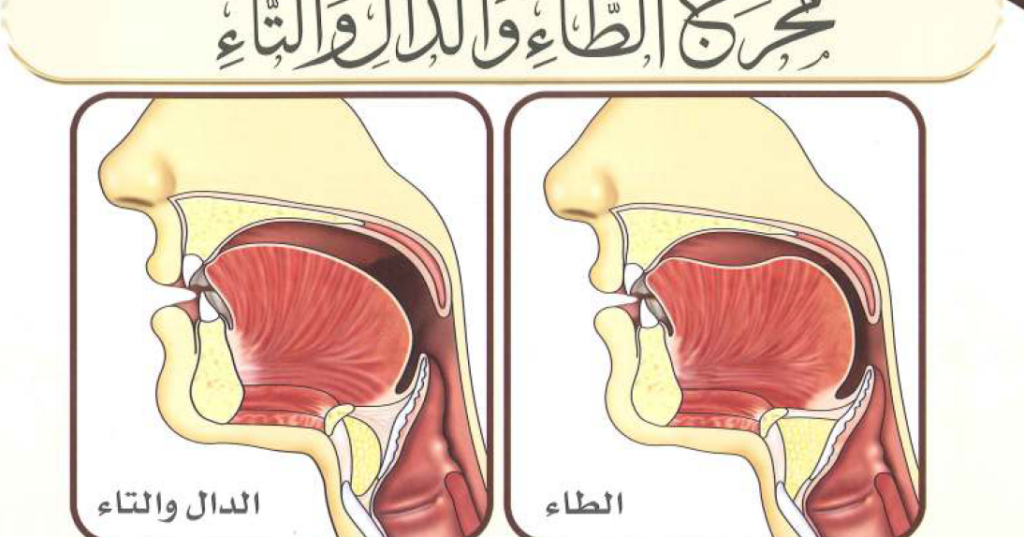
The letter Taa (ت) is pronounced as a clear /t/ sound, very similar to the English “t” in words like top or table. It is a voiceless dental stop, which means that when you say it, your tongue touches the upper front teeth, and no vibration comes from the vocal cords.
Steps to pronounce Taa correctly:
1- Place the tip of your tongue gently against your upper front teeth.
2- Release the sound with a short, crisp “t” (without extra air).
3- Keep your voice box silent (no vibration like in the English “d”).
4- Practice with vowels: تَ (ta), تُ (tu), تِ (ti), and with Sukoon تْ (t).

Practice examples:
– تَفاح (tuffāḥ → apple)
– كتاب (kitāb → book)
– بيت (bayt → house)
Learn Taa through videos
Learning the letter Taa (ت) by watching videos is a dynamic and effective method for mastering both its pronunciation and writing. Videos offer visual demonstrations of stroke order, vocal articulation, and the context of Taa in words and sentences—ideal for all learners, from kids to adults.
Here are two more helpful video resources:
– This beginner-friendly tutorial clearly demonstrates how to write Taa (ت) in its isolated, initial, medial, and final forms, alongside the correct pronunciation. It’s a great starting point for learners to see both the visual and audio aspects together.
– Arabic Alphabet: (taa’) (ت) with short vowel sounds – Focused on Taa with Fatha, Dammah, and Kasrah, ideal for hearing how the vowel changes the sound.
– Learn letter Taa: reading and writing | Arabic alphabet – Covers the letter’s name, shapes, sound, and articulation with engaging exercises.
Exercises For letter Taa in Arabic
Practicing is the best way to master the Arabic letter Taa (ت). These exercises will help you recognize, write, and pronounce Taa correctly in different positions of a word.
1. Identify the Letter Taa
Circle the letter Taa (ت) in the words below:
– تفاح
– كتاب
– بيت
– تمساح
2. Write Taa in Different Positions
Write the letter Taa (ت) in:
– Beginning position: تــ
– Middle position: ـتـ
– End position: ـت
3. Match the Word to Its Picture
Draw a line between each word and the correct picture:
– تفاح (Apple) 
– تاج (Crown) 
– بيت (House) 
4. Fill in the Missing Letter
Complete the words by adding the missing Taa (ت):
1- __اج (Crown)
2- بي__ (House)
3- __مساح (Crocodile)
5. Read Aloud
Read these words slowly, paying attention to the Taa (ت) pronunciation:
1- تفاح (apple)
2- كتاب (book)
3- موت (death)
Repeat these exercises daily until you can spot Taa instantly and write it from memory.
Read Also: The Letter Ayn ع In Arabic With Examples, Exercises, and Worksheets
Downloadable Worksheets for the Arabic letter Taa
To help you practice the letter Taa (ت) in writing and recognition, we’ve prepared a set of fun and engaging worksheets. These worksheets include tracing activities, coloring tasks, and word-building exercises to reinforce learning in an interactive way.
Here are some free downloadable worksheets to practice the letter Taa:
– My Resource Station: Taa Worksheet – Colour, Trace, and Write a printable PDF to practice writing and recognizing Taa.
– Arabic Seeds (Islamic-themed): Provides coloring and tracing worksheets for each letter, including Baa, along with pronunciation audio files for memorization and enhanced learning.
Read Also: The Letter Zay / ز in Arabic With Examples, Exercises, and Worksheets
Common Mistakes related to letter Taa
Learning the Arabic letter Taa (ت) can sometimes be confusing for beginners, especially because it looks similar to other letters in the Arabic alphabet. Here are the most common mistakes and how to avoid them:
1. Confusing Taa (ت) with Baa (ب) or Thaa (ث)
– Mistake: Students often confuse the three letters because they have the same basic shape.
– Difference:
1- ب (Baa): 1 dot below.
2- ت (Taa): 2 dots above.
3- ث (Thaa): 3 dots above.
2. Misplacing the dots
– Mistake: Some learners put the two dots below instead of above.
– Correction: Always remember Taa’s two dots are on top.
Read Also: The Letter Saad / ص in Arabic With Examples, Exercises, and Worksheets
3. Incorrect connection in words
– Mistake: Some beginners struggle to connect ت correctly when it comes at the beginning, middle, or end of a word.
– Correction: Practice writing words like:
a- Beginning: تَفاح (apple)
b- Middle: مكتبة (library)
c- End: بنت (girl)
Read Also: The Letter Seen / س in Arabic With Examples, Exercises, and Worksheets
4. Pronunciation errors
– Mistake: Some learners pronounce ت like ط (Taa with heavy sound) or confuse it with ث (Thaa).
– Correction: Remember: Taa (ت) is a light, clear sound, like the English “t” in “top”.
Read Also: The Letter Khaa / خ in Arabic With Examples, Exercises, and Worksheets
Learn Online Fusha Arabic Course To Learn Modern Standard Arabic With Us
Master Fusha Arabic and Modern Standard Arabic (MSA) through interactive online classes designed for all levels. Fusha is the formal literary Arabic—used in the Qur’an, media, and across the Arab world—making it the key to unlocking fluent reading, writing, and conversation. At Arabic Learning Centre, our courses combine engaging teaching techniques with expert guidance to ensure you learn in a structured yet enjoyable way.
Our classes are affordable and flexible. You’ll learn directly from qualified Azharian teachers, fluent in both Arabic and English, who are passionate about helping students succeed. Whether your goal is to understand the Qur’an, improve career opportunities, or communicate confidently in Arabic, Arabic Learning Centre provides the perfect environment to achieve it. Book your free trial today and begin your journey toward mastering Arabic!
Take the next step today and join thousands of students learning Arabic the right way.
Courses We Offer:
- Learn to Read Arabic Course
- Arabic Grammar Course
- Arabic Speaking Course
- Arabic Script writing course
- Arabic Vocabulary Course
- Arabic Pronunciation Course
Conclusion
Mastering the Arabic letter Taa (ت) is essential for learning the alphabet. Its two dots above and four forms (isolated, initial, medial, final) make it easy to recognize. Taa appears in common words like تفاح (apple) and بيت (house). Its sound is the clear /t/, like “t” in top, which helps distinguish it from ب (Baa) and ث (Thaa).
Progress comes with patience and practice. Tracing worksheets, writing drills, and pronunciation with Fatha, Dammah, Kasrah, and Sukoon build fluency. Videos and guided lessons add clarity, while practice removes confusion about dots or connections. With consistency, you’ll quickly recognize, write, and use Taa naturally—an exciting step toward unlocking the beauty of Arabic.
Related Articles
Arabic Alphabet & Writing


Leave a Reply