 Arabic Vocabulary & Speaking
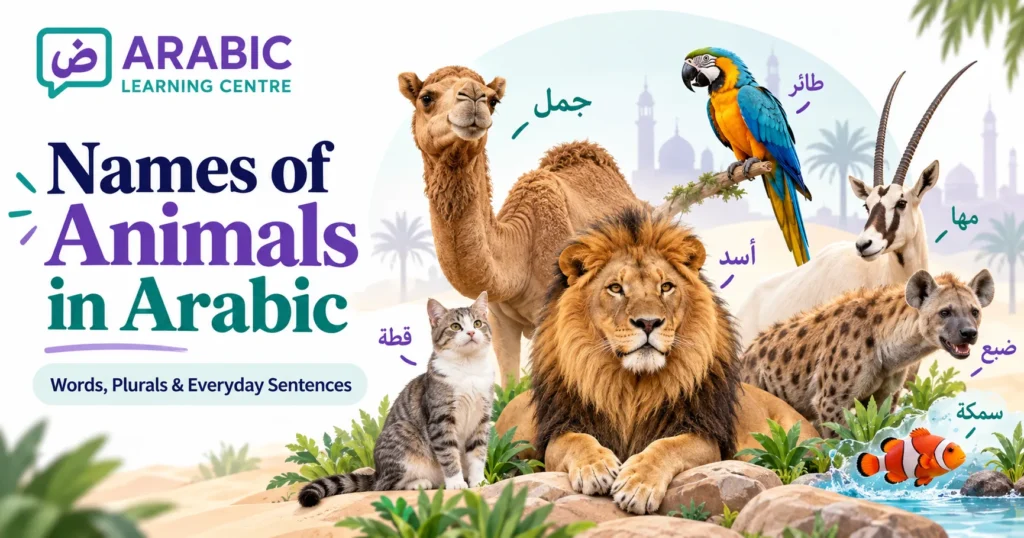
Few topics are as rewarding for a new Arabic learner as animals. They appear in children’s books, street markets, proverbs, poetry and the Quran, so every new word you learn here shows up again almost immediately. Learning the names of animals in Arabic is also one of the easiest ways to practice tricky sounds like ḥ, ʿ and q in short, memorable words.
Arabic treats animals with a special richness. Classical poets had dozens of words for the camel and the horse, everyday expressions compare people to lions and foxes, and five chapters of the Quran carry animal names. Knowing this vocabulary helps you understand the culture, not just the language.
In this guide, you will find the names of animals in Arabic grouped by where you meet them: at home, on the farm, in the wild, in the sky and in the sea. Each word comes with its transliteration and plural, plus natural example sentences, popular animal expressions, a quick-reference chart and the animals mentioned in the Quran.
The Arabic word for animal and where it comes from
Animal in Arabic is حَيَوَان (ḥayawān). It comes from the same root as حَيَاة (ḥayāh, life), so the word literally means “a living being.” Knowing this root helps you recognize related words such as حَيّ (ḥayy, alive).
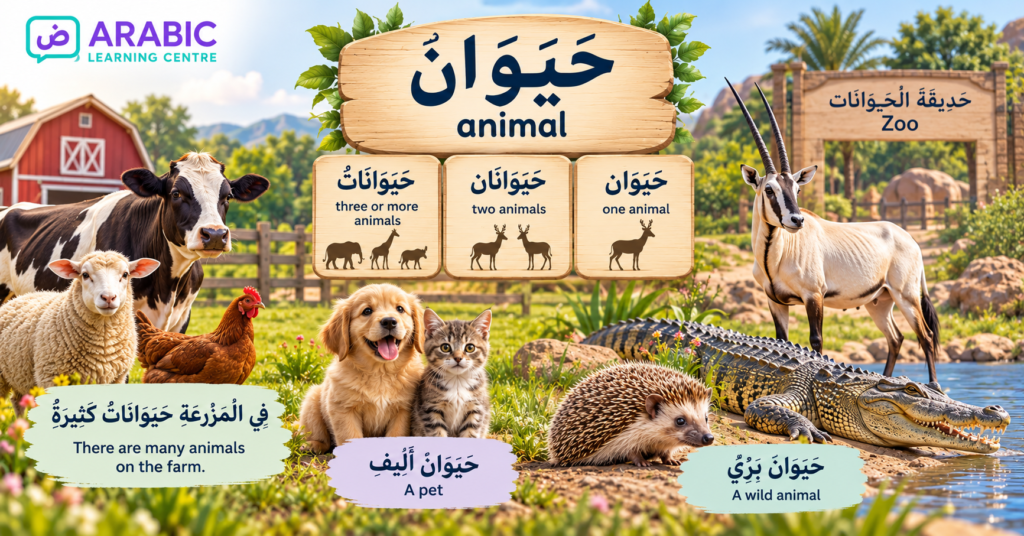
Arabic nouns also change with number, and حَيَوَان is a good first example. One animal is حَيَوَان, two animals are حَيَوَانَان (ḥayawānān), and three or more are حَيَوَانَات (ḥayawānāt). That middle “dual” form does not exist in English, so it is worth noticing early.
فِي المَزْرَعَةِ حَيَوَانَاتٌ كَثِيرَة fī al-mazraʿati ḥayawānātun kathīrah There are many animals on the farm.
You will also see the word inside longer phrases. A pet is حَيَوَان أَلِيف (ḥayawān alīf), a wild animal is حَيَوَان بَرِّي (ḥayawān barrī), and the zoo is حَدِيقَة الحَيَوَانَات (ḥadīqat al-ḥayawānāt), literally “garden of animals.”
Read also: Flower Names in Arabic – A Complete Guide for Learners
Animal-related words to know first
These supporting words let you talk about where animals live, how they look and who takes care of them.
| English | Arabic | Transliteration | In a sentence |
| herd, flock | قَطِيع | qaṭīʿ | رَأَيْتُ قَطِيعًا مِنَ الغَنَم (I saw a flock of sheep.) |
| nest | عُشّ | ʿushsh | بَنَى العُصْفُورُ عُشًّا (The sparrow built a nest.) |
| stable | إِسْطَبْل | isṭabl | الخَيْلُ فِي الإِسْطَبْل (The horses are in the stable.) |
| veterinarian | طَبِيب بَيْطَرِي | ṭabīb bayṭarī | أَخَذْتُ قِطِّي إِلَى الطَّبِيبِ البَيْطَرِي (I took my cat to the vet.) |
| tail | ذَيْل | dhayl | لِلقِرْدِ ذَيْلٌ طَوِيل (The monkey has a long tail.) |
| wing | جَنَاح | janāḥ | جَنَاحُ النَّسْرِ كَبِير (The eagle’s wing is big.) |
| fur | فَرْو | farw | فَرْوُ الأَرْنَبِ نَاعِم (The rabbit’s fur is soft.) |
| feather | رِيشَة | rīshah | وَجَدْتُ رِيشَةً بَيْضَاء (I found a white feather.) |
| cage | قَفَص | qafaṣ | البَبَّغَاءُ فِي القَفَص (The parrot is in the cage.) |
Pets and farm animals in Arabic
Cats, dogs, cows and camels are the first words most learners pick up, so you will find them in the reference chart below. Here we focus on other home and farm animals that come up often in daily conversation.
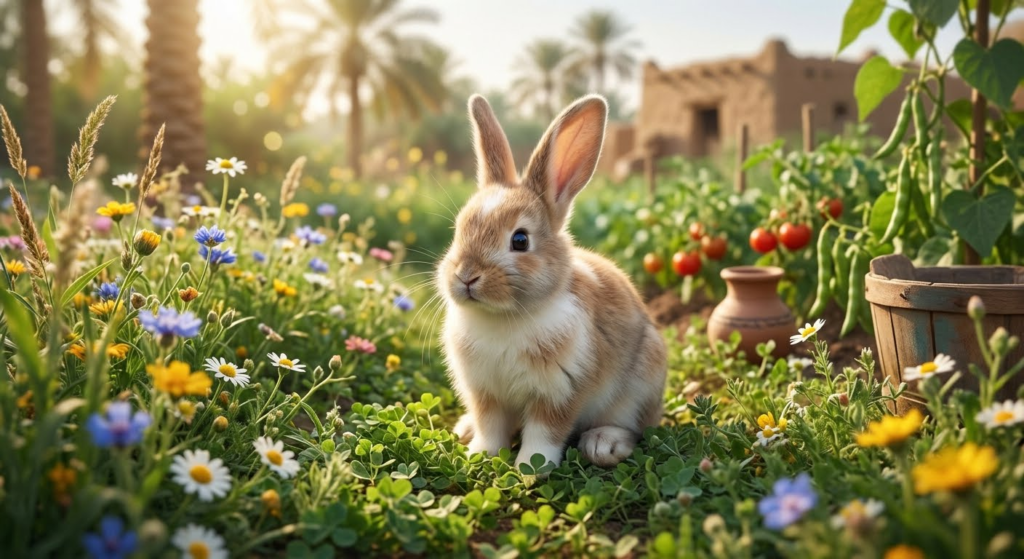
Rabbit: أَرْنَب (arnab)
Plural: أَرَانِب (arānib). A wild hare is أَرْنَب بَرِّي (arnab barrī).
يَأْكُلُ الأَرْنَبُ الجَزَر yaʾkulu al-arnabu al-jazar The rabbit eats carrots.
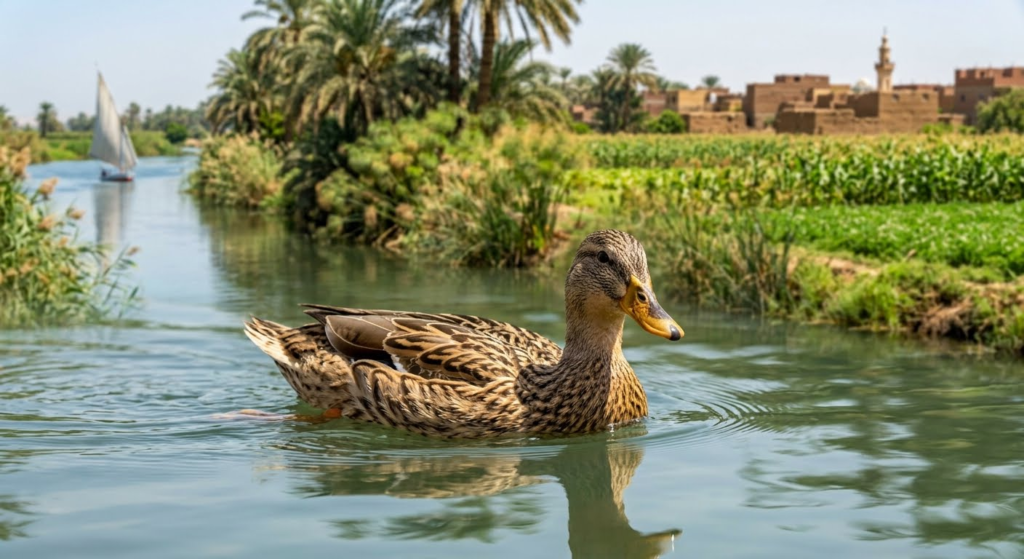
Duck: بَطَّة (baṭṭah)
Plural: بَطّ (baṭṭ). Like many Arabic animal names, removing the final ة gives a collective noun for the whole group.
تَسْبَحُ البَطَّةُ فِي البُحَيْرَة tasbaḥu al-baṭṭatu fī al-buḥayrah The duck swims in the lake.
Read also: Planets Names in Arabic – The Complete Guide to All 8 Planets
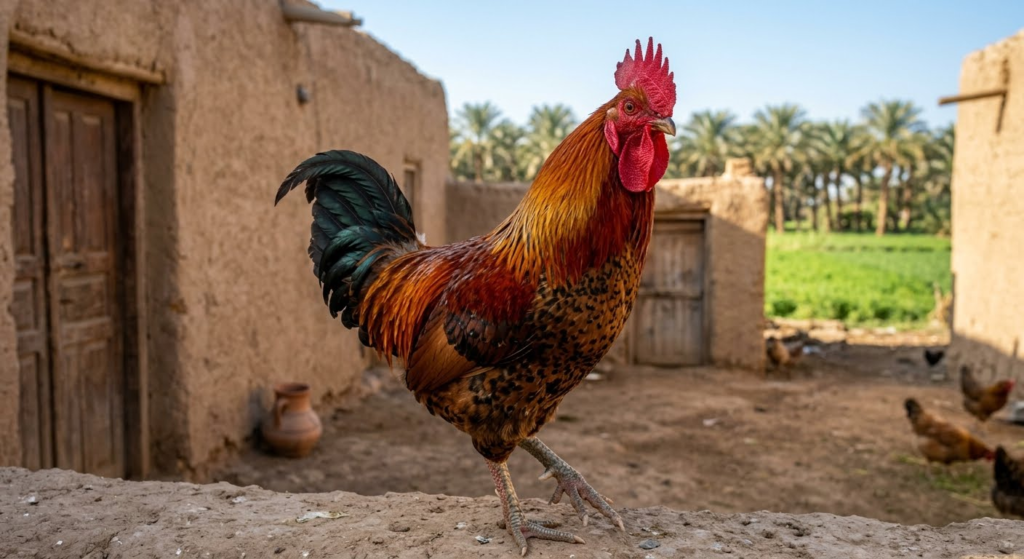
Rooster: دِيك (dīk)
Plural: دُيُوك (duyūk). The turkey is called دِيك رُومِي (dīk rūmī), literally “Roman rooster.”
يَصِيحُ الدِّيكُ عِنْدَ الفَجْر yaṣīḥu ad-dīku ʿinda al-fajr The rooster crows at dawn.
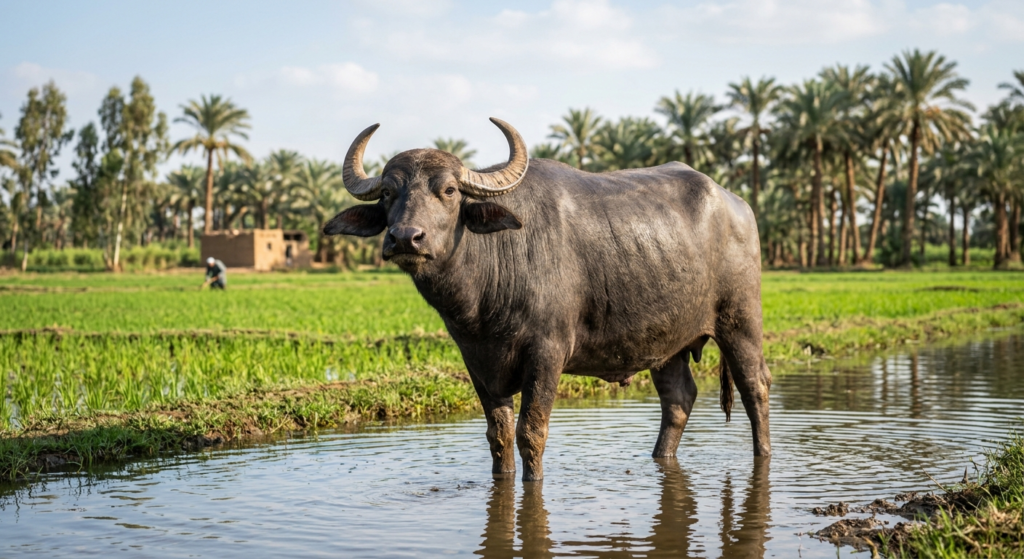
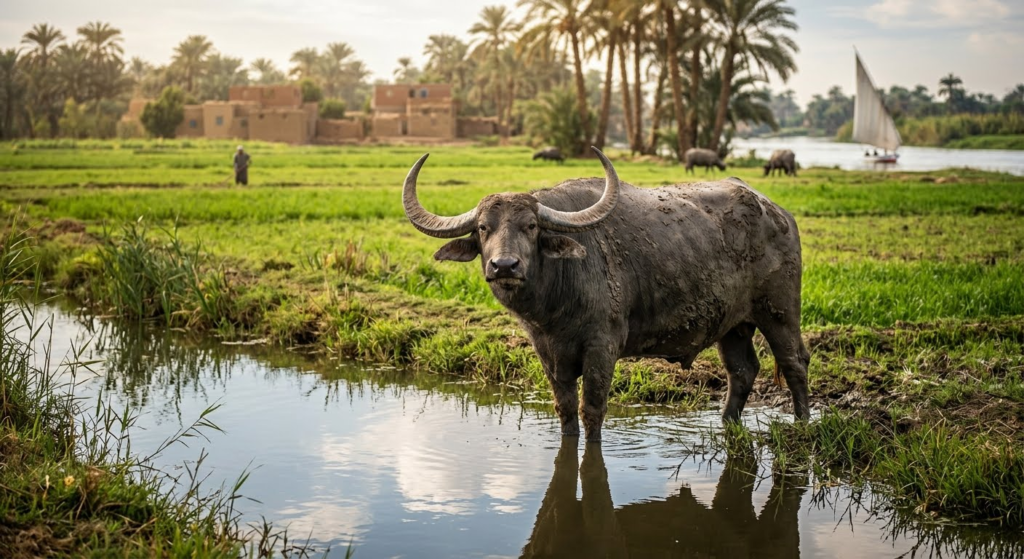
Buffalo: جَامُوس (jāmūs)
Plural: جَوَامِيس (jawāmīs). Water buffalo are a familiar sight in Egyptian villages and are prized for their rich milk.
حَلِيبُ الجَامُوسِ غَنِيٌّ بِالدَّسَم ḥalību al-jāmūsi ghaniyyun bid-dasam Buffalo milk is rich in fat.
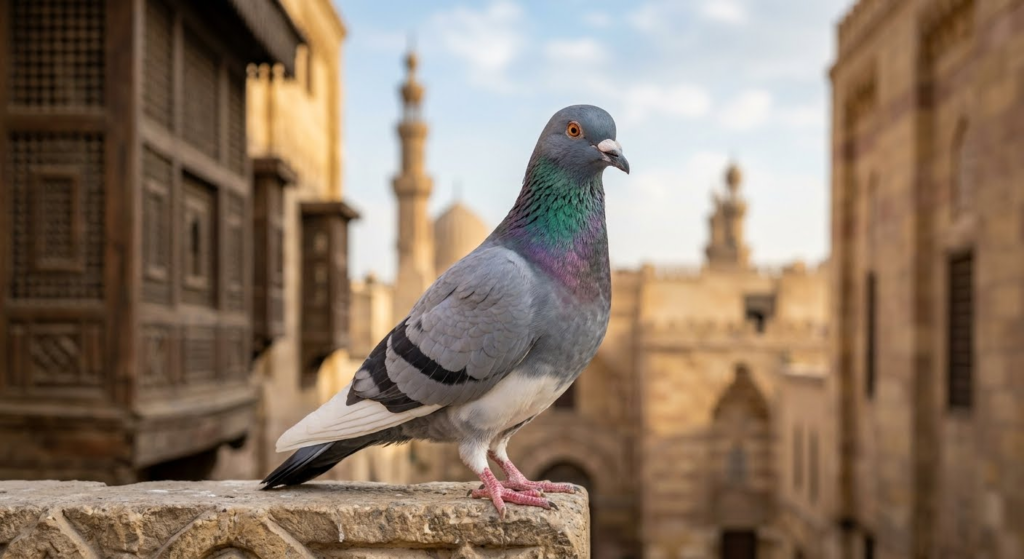
Pigeon: حَمَامَة (ḥamāmah)
Plural: حَمَام (ḥamām). The same word is used for doves, and the dove is a common symbol of peace.
يَطِيرُ الحَمَامُ فَوْقَ السُّطُوح yaṭīru al-ḥamāmu fawqa as-suṭūḥ The pigeons fly over the rooftops.
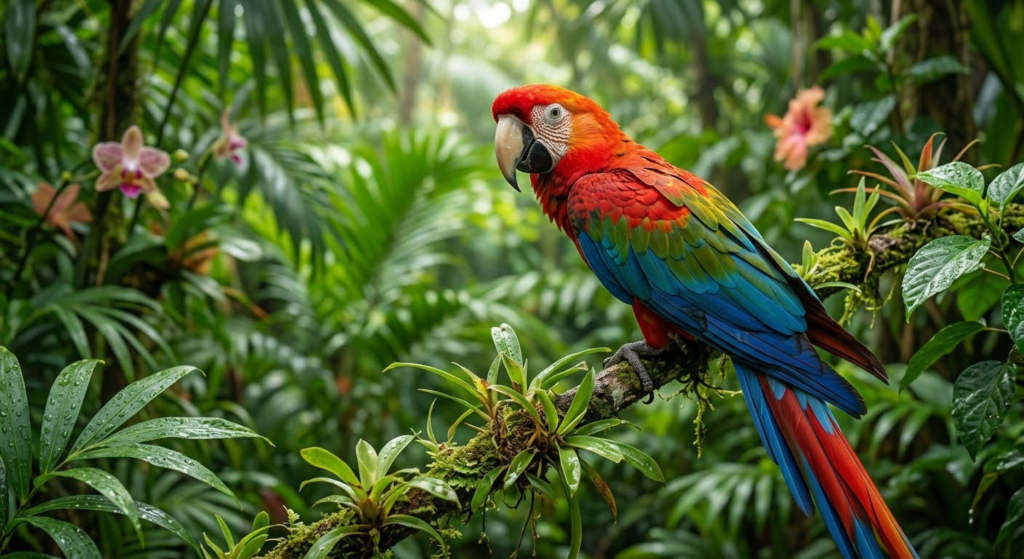
Parrot: بَبَّغَاء (babbaghāʾ)
Plural: بَبَّغَاوَات (babbaghāwāt). Calling someone a parrot in Arabic means they repeat words without understanding them.
البَبَّغَاءُ يُرَدِّدُ كَلِمَاتِي al-babbaghāʾu yuraddidu kalimātī The parrot repeats my words.
Bull: ثَوْر (thawr)
Plural: ثِيرَان (thīrān). A calf is عِجْل (ʿijl), and a female cow is بَقَرَة (baqarah).
يَجُرُّ الثَّوْرُ المِحْرَاث yajurru ath-thawru al-miḥrāth The ox pulls the plough.
If you want a strong foundation, start with our Fusha Arabic course, which covers Modern Standard Arabic from reading and writing to everyday conversation.

Don’t Just Take Our Word For It
Take a look inside our vibrant classes and see our students and teachers in action. Click below to watch our classroom experience:
Wild and desert animals in Arabic
The Arab world stretches across deserts, mountains and river valleys, and its wildlife vocabulary reflects that. These names of animals in Arabic go beyond the usual lion and elephant.
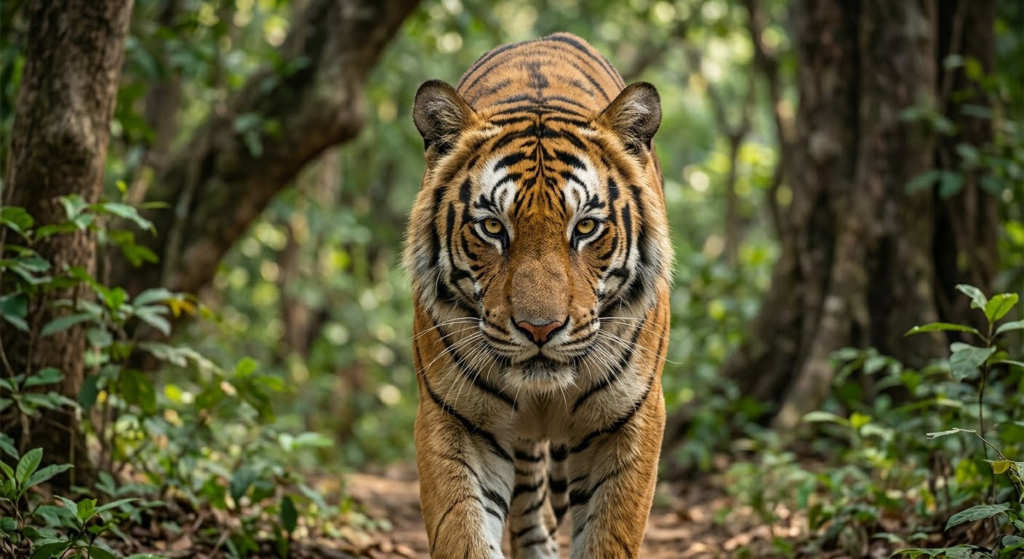
Tiger: نَمِر (namir)
Plural: نُمُور (numūr). In Egyptian Arabic it is pronounced nimr.
لِلنَّمِرِ خُطُوطٌ سَوْدَاء lin-namiri khuṭūṭun sawdāʾ The tiger has black stripes.
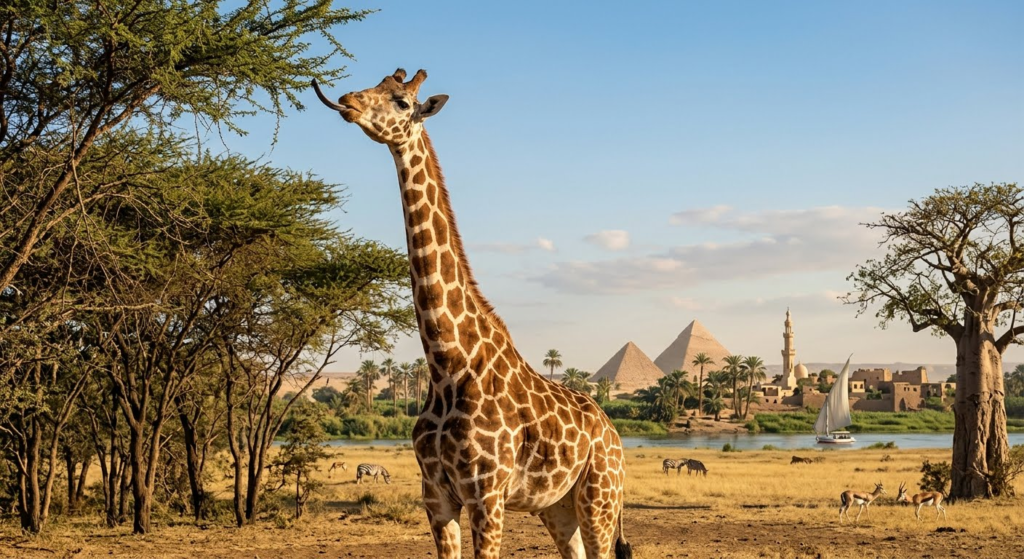
Giraffe: زَرَافَة (zarāfah)
Plural: زَرَافَات (zarāfāt). The English word “giraffe” actually comes from this Arabic name.
تَأْكُلُ الزَّرَافَةُ أَوْرَاقَ الأَشْجَارِ العَالِيَة taʾkulu az-zarāfatu awrāqa al-ashjāri al-ʿāliyah The giraffe eats leaves from tall trees.
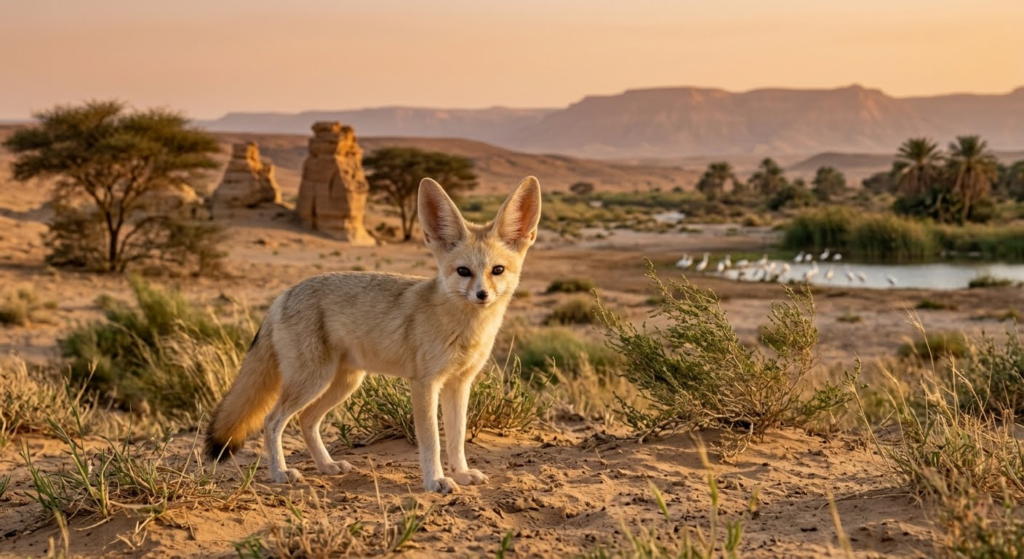
Fox: ثَعْلَب (thaʿlab)
Plural: ثَعَالِب (thaʿālib). In Arabic stories, the fox is the classic symbol of cunning.
خَرَجَ الثَّعْلَبُ مِنْ جُحْرِه kharaja ath-thaʿlabu min juḥrih The fox came out of its den.
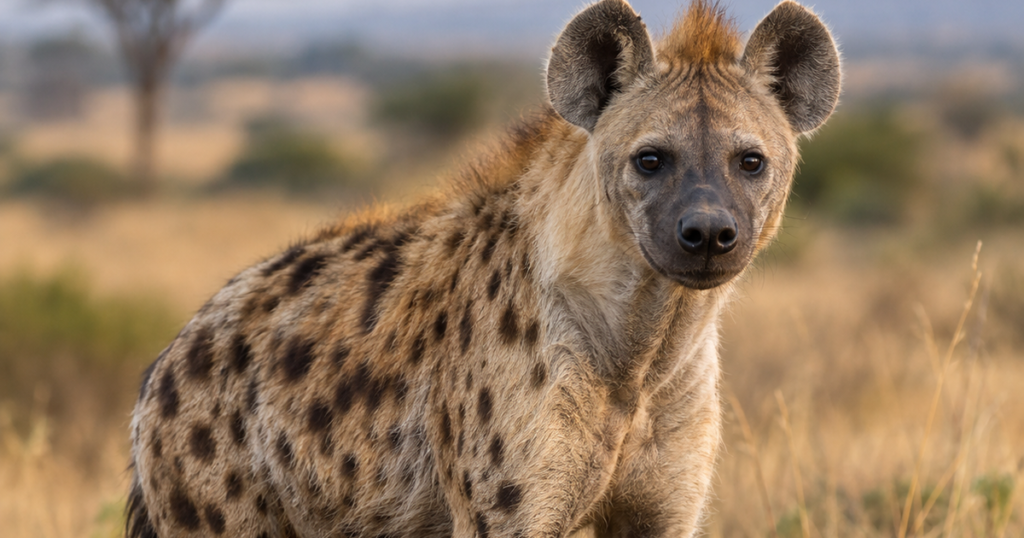
Hyena: ضَبُع (ḍabuʿ)
Plural: ضِبَاع (ḍibāʿ). Its heavy ḍ sound has no English equivalent, so it is good pronunciation practice.
تَعِيشُ الضِّبَاعُ فِي جَمَاعَات taʿīshu aḍ-ḍibāʿu fī jamāʿāt Hyenas live in groups.
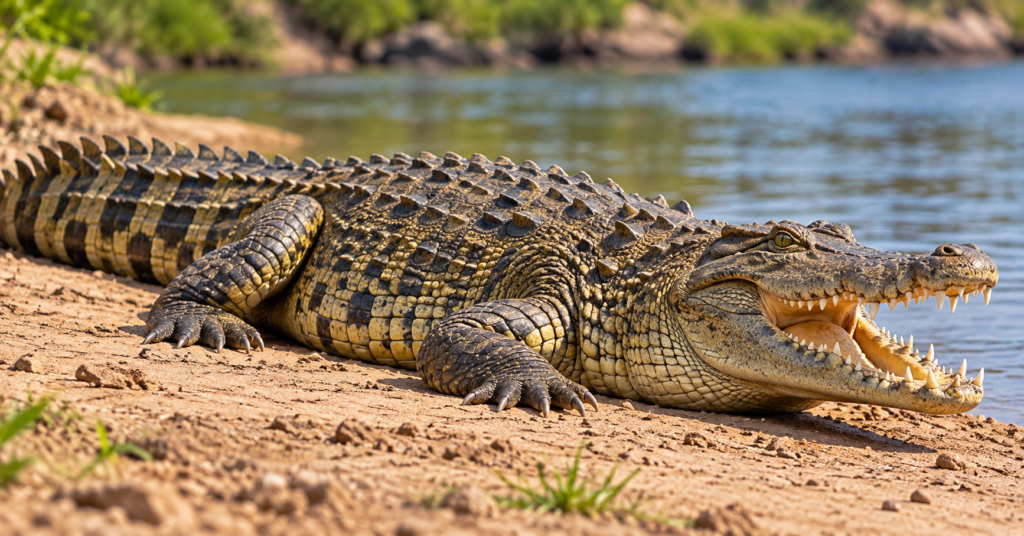
Crocodile: تِمْسَاح (timsāḥ)
Plural: تَمَاسِيح (tamāsīḥ). Crocodiles once lived along the whole Nile and appear often in Egyptian history.
يَخْتَبِئُ التِّمْسَاحُ فِي النَّهْر yakhtabiʾu at-timsāḥu fī an-nahr The crocodile hides in the river.
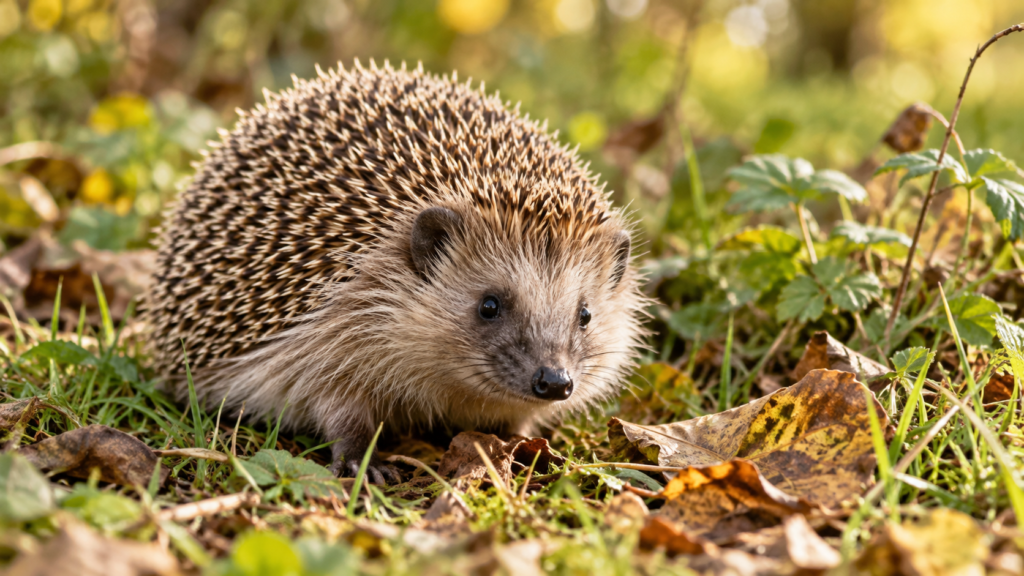
Hedgehog: قُنْفُذ (qunfudh)
Plural: قَنَافِذ (qanāfidh). Its spines are called أَشْوَاك (ashwāk), “thorns.”
يَلْتَفُّ القُنْفُذُ عِنْدَمَا يَخَاف yaltaffu al-qunfudhu ʿindamā yakhāf The hedgehog curls up when it is afraid.
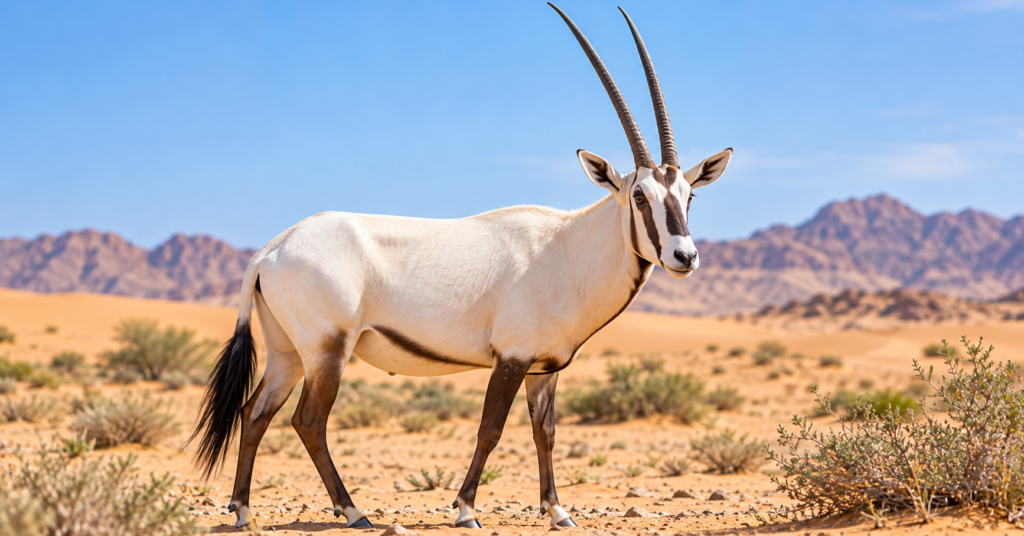
Arabian oryx: المَهَا (al-mahā)
This graceful white antelope is a national symbol in several Gulf countries. Poets used its eyes as a standard of beauty.
تَعِيشُ المَهَا فِي الصَّحْرَاء taʿīshu al-mahā fī aṣ-ṣaḥrāʾ The oryx lives in the desert.
Birds, insects and sea creatures in Arabic
Many small creatures share one handy pattern: a feminine singular ending in ة and a shorter collective noun for the group. Spot it once and you can learn two words at a time.
| English | Singular | Collective / Plural | Transliteration |
| ant | نَمْلَة | نَمْل | namlah / naml |
| bee | نَحْلَة | نَحْل | naḥlah / naḥl |
| fly | ذُبَابَة | ذُبَاب | dhubābah / dhubāb |
| mosquito | بَعُوضَة | بَعُوض | baʿūḍah / baʿūḍ |
| butterfly | فَرَاشَة | فَرَاش | farāshah / farāsh |
| ladybird | دُعْسُوقَة | دَعَاسِيق | duʿsūqah / daʿāsīq |
| owl | بُومَة | بُوم | būmah / būm |
| ostrich | نَعَامَة | نَعَام | naʿāmah / naʿām |
| goose | إِوَزَّة | إِوَزّ | iwazzah / iwazz |
| fish | سَمَكَة | سَمَك | samakah / samak |
Arabic expressions with animal names
Once you know the names of animals in Arabic, you will start noticing them in everyday speech. Arabs often describe character by comparing people to animals, using the pattern أَفْعَل مِنْ (“more … than”).
- أَشْجَعُ مِنْ أَسَد (ashjaʿu min asad): braver than a lion, for someone fearless.
- أَمْكَرُ مِنْ ثَعْلَب (amkaru min thaʿlab): craftier than a fox, for someone sly.
- أَوْفَى مِنْ كَلْب (awfā min kalb): more loyal than a dog, for a true friend.
- أَصْبَرُ مِنْ جَمَل (aṣbaru min jamal): more patient than a camel, for someone who endures a lot.
There is even an Arabic version of “killing two birds with one stone”: ضَرَبَ عُصْفُورَيْنِ بِحَجَرٍ وَاحِد (ḍaraba ʿuṣfūrayni bi-ḥajarin wāḥid), “he hit two sparrows with one stone.” Dropping one of these into conversation is a quick way to sound natural.
Understanding words like these makes recitation more meaningful, and our Arabic course for Tajweed helps you pair correct pronunciation with real understanding of the text.

Inside Our Classrooms
See how we make learning interactive and engaging! Watch a quick snippet of our live, conversational classes in action:
Take your Arabic further with Arabic Learning Centre
You now know dozens of names of animals in Arabic, but knowing a word and using it with confidence are two different things. Pronouncing ḥimār without turning the ḥ into an English h, choosing the right broken plural, or dropping أَمْكَرُ مِنْ ثَعْلَب naturally into a conversation all come faster with guidance. That is exactly what Arabic Learning Centre is built for.
At Arabic Learning Centre, live lessons are led by qualified teachers who adapt every class to your level and goals. Vocabulary like the words in this guide becomes part of real dialogues, reading practice and grammar you can actually use, so you stop memorizing lists and start speaking.
Whatever brings you to Arabic, whether everyday conversation, the Quran or your career, Arabic Learning Centre builds a learning path around you.
Lessons are fully online, so you can learn from anywhere and book times that fit your schedule. Whether you are a complete beginner, a parent teaching your children, or a learner returning to Arabic after a break, you get a clear plan, regular feedback and visible progress from the very first weeks.
Ready to start? Book your free trial lesson with Arabic Learning Centre today and say your first Arabic sentence about animals with a real teacher.
Courses We Offer:
- Online Arabic Course
- Classical arabic course
- Modern Standard Arabic Course
- Fusha Arabic Course
- Learn Saudi Arabic
- Arabic Course for Beginners
Conclusion
Learning the names of animals in Arabic gives you far more than a list of nouns. Along the way you have met the root behind حَيَوَان, the dual form, broken plurals, the collective pattern used for insects and birds, and expressions that compare people to lions, foxes and camels. Each of these is a small grammar lesson hidden inside everyday vocabulary.
The best way to keep these words is to use them often. Review the quick-reference chart a few minutes a day, add three or four new animals each week together with their plurals, and say the example sentences out loud. Describe the animals you see around you, label pictures in Arabic, or read a short Quranic verse that mentions an animal you just learned.
When you are ready to turn vocabulary into real conversation, learning with a teacher makes all the difference. A live instructor can correct your pronunciation, explain the patterns behind the words and give you the confidence to speak. Start today, and soon the names of animals in Arabic will feel as natural to you as they do to native speakers.
Frequently asked questions
What is the word for animal in Arabic?
The word is حَيَوَان (ḥayawān). It comes from the same root as حَيَاة (life), and its plural is حَيَوَانَات (ḥayawānāt).
What are the most common names of animals in Arabic for beginners?
Start with قِطَّة (cat), كَلْب (dog), بَقَرَة (cow), حِصَان (horse), جَمَل (camel), أَسَد (lion), فِيل (elephant) and طَائِر (bird). These words appear constantly in everyday conversation and beginner texts.
How do you say pet in Arabic?
A pet is حَيَوَان أَلِيف (ḥayawān alīf), which literally means “tame animal.” You can say عِنْدِي حَيَوَانٌ أَلِيف to mean “I have a pet.”
Why are Arabic animal plurals so different from the singular?
Many Arabic nouns use “broken plurals,” where the vowels inside the word change instead of adding an ending. For example, كَلْب becomes كِلَاب and ثَعْلَب becomes ثَعَالِب, so it is best to learn each plural together with its singular.
Which animals are mentioned in the Quran?
The Quran mentions more than 20 animals, including the cow, camel, horse, elephant, bee, ant, spider, hoopoe and wolf. Five surahs are named after animals: Al-Baqarah, An-Naḥl, An-Naml, Al-ʿAnkabūt and Al-Fīl.
Are animal names the same in all Arabic dialects?
Most names are shared, but pronunciation often changes. In Egyptian Arabic, for instance, جَمَل is pronounced gamal and قِرْد sounds like ‘ird, and a few animals have completely different everyday names, such as فَرْخَة (farkha) for chicken.
Related Articles
Arabic Vocabulary & Speaking